
Ani Kasten - Host Potter
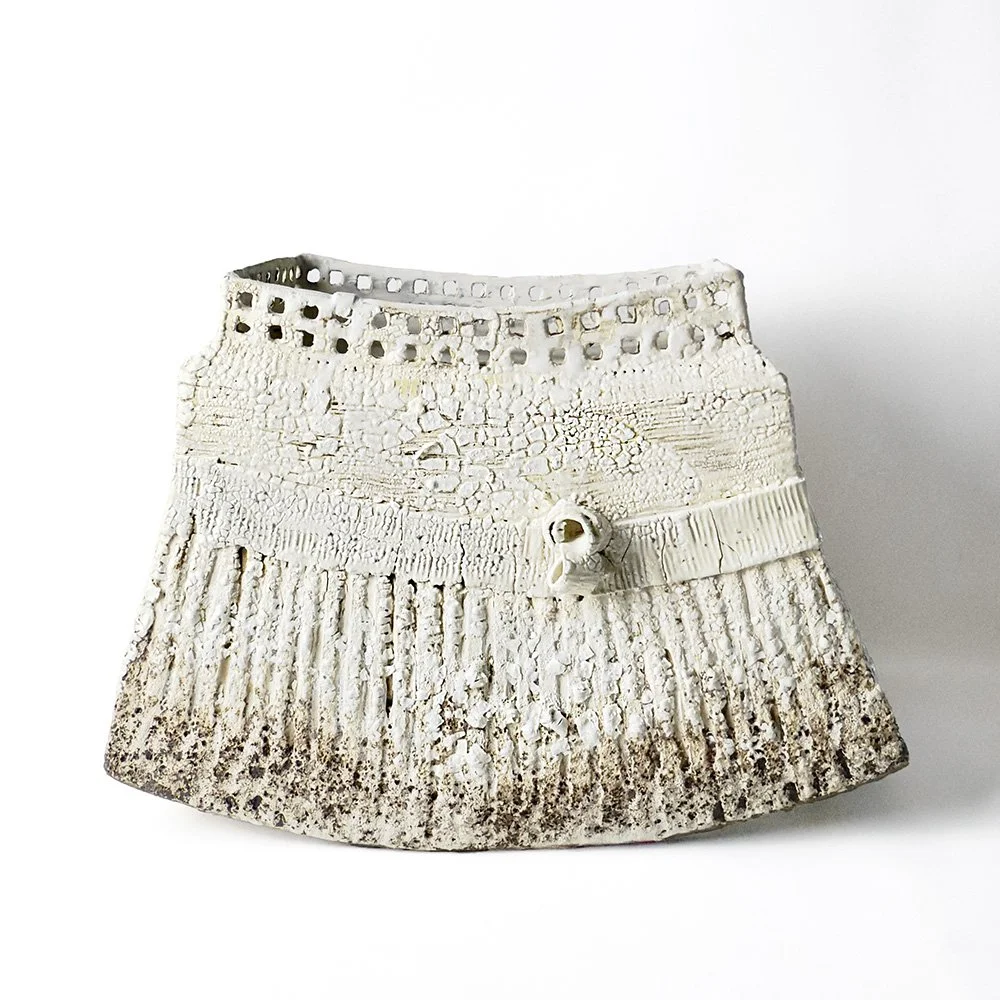
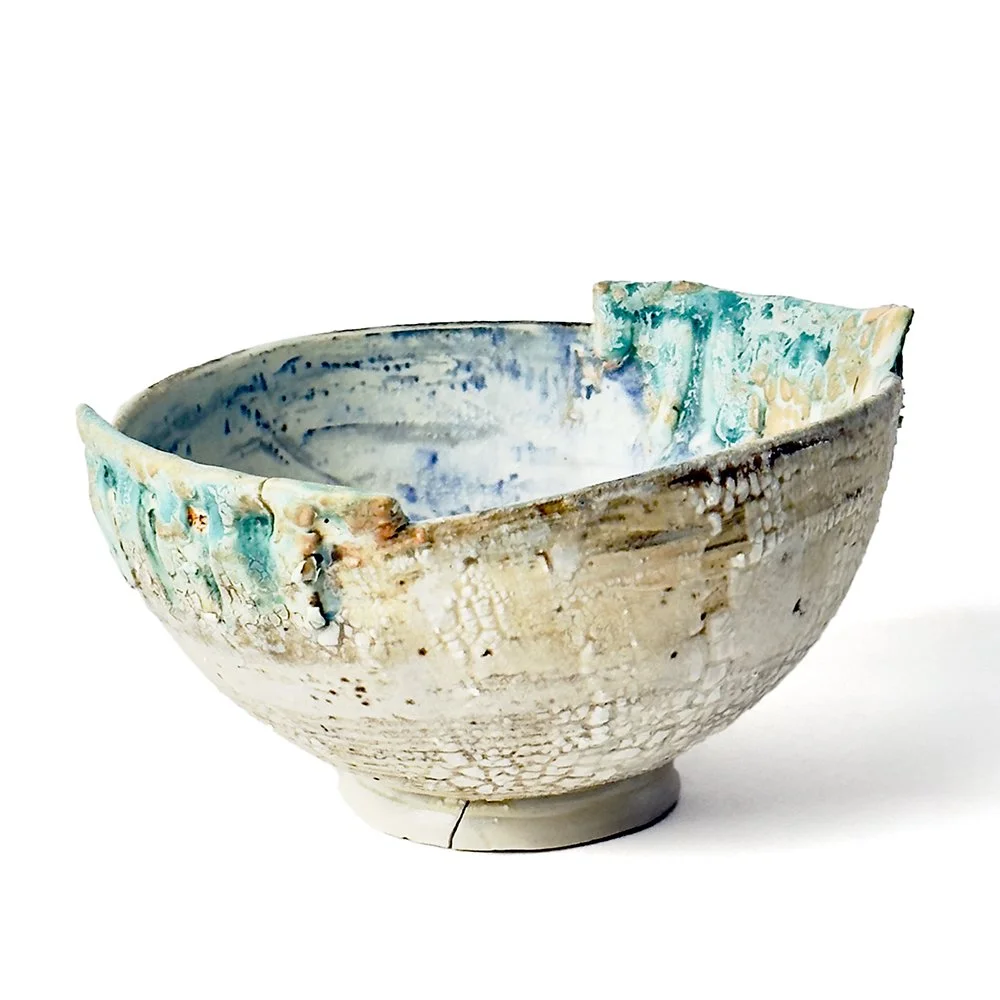
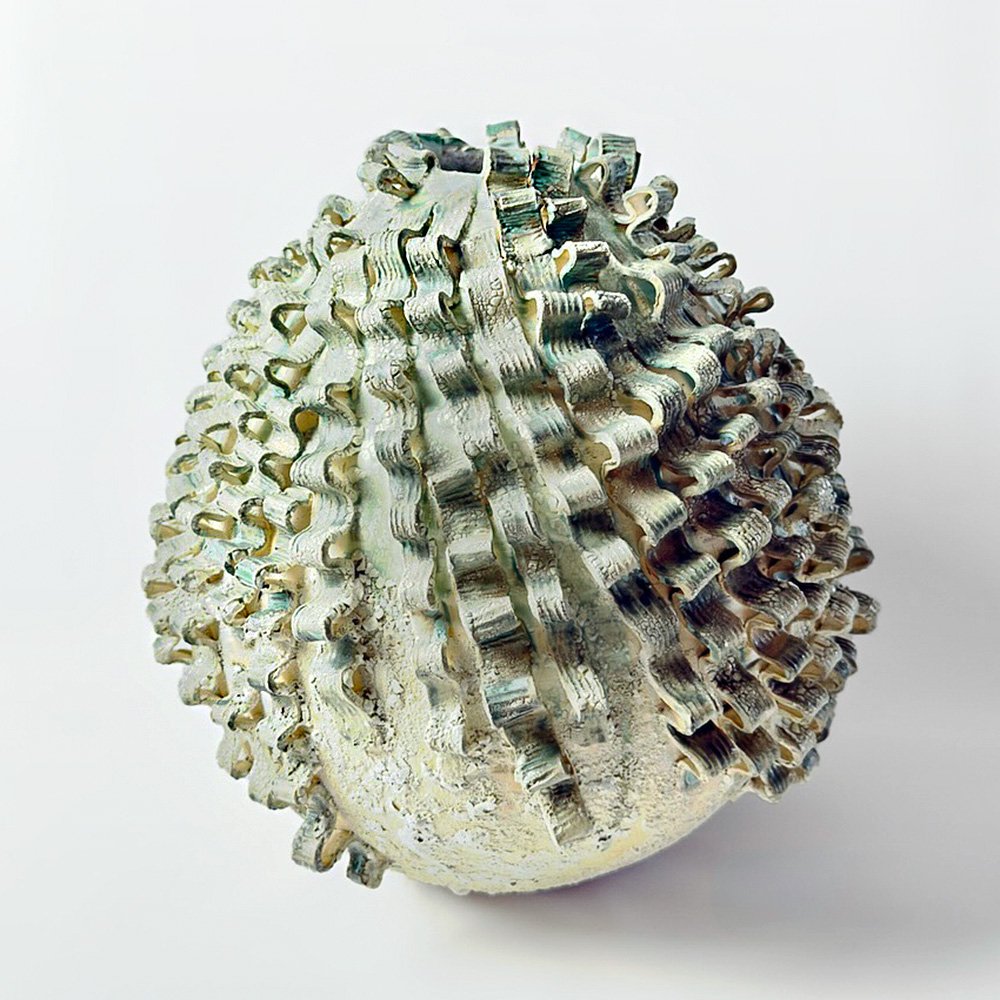
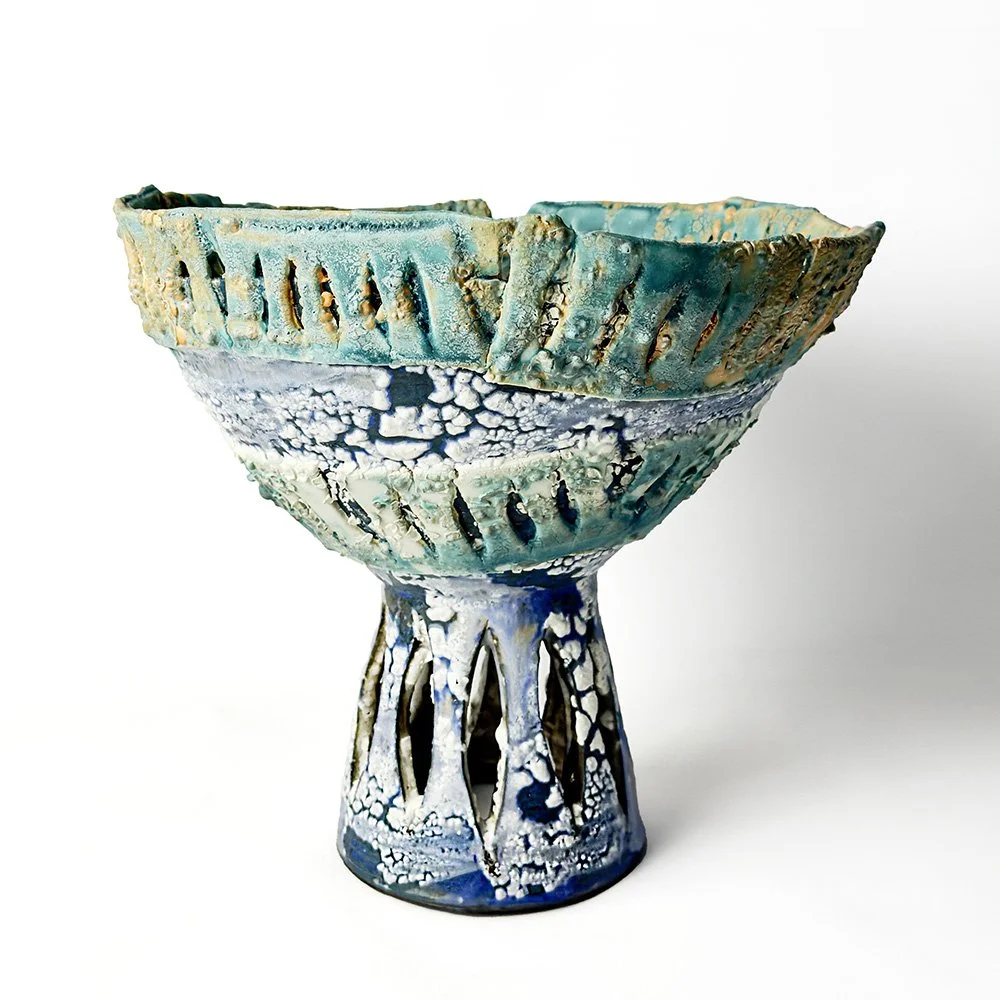
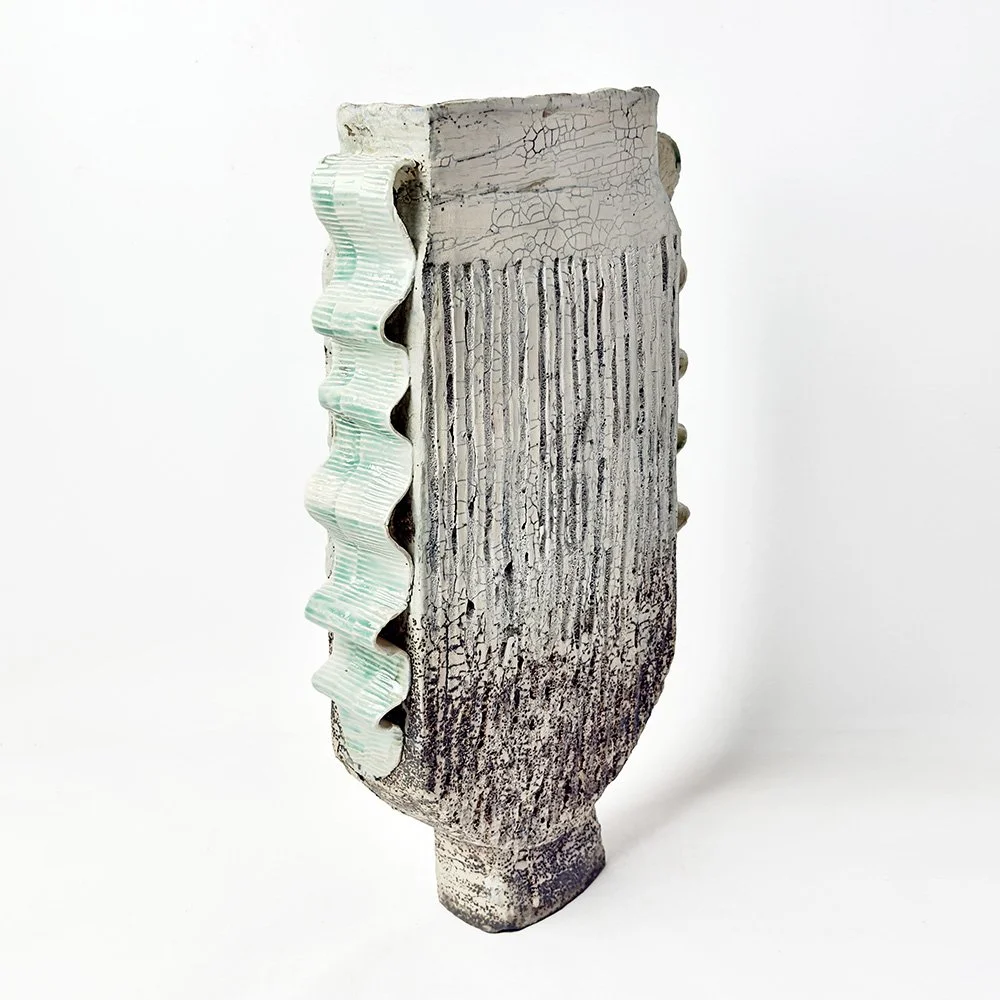
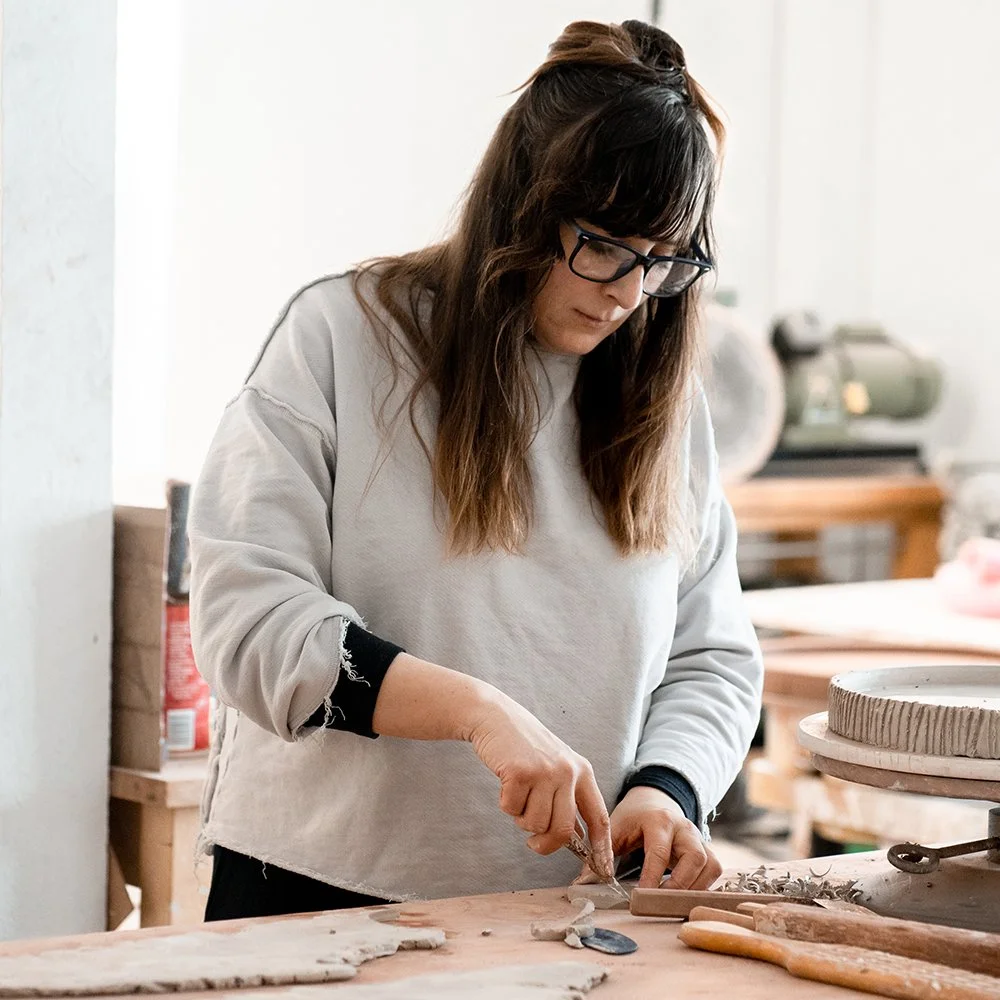
Investigating the materiality of the clay is the foundation and focal point for all of my vessels, sculptures and assemblages. I am influenced by natural and geological imagery, and my forms and compositions explore the meeting point of natural occurrence and the human hand.
I use wheel-throwing and hand-building techniques to explore the spectrum, breadth and limits of clay. The interactions and relationships between differing clay bodies, which include black or white stoneware clay, porcelain, and locally sourced ‘wild clays’, as well as various types of stone added for texture, are what interest me, as metaphors for more human interactions and relationships. How does porcelain melt with, reject, bend or shrink in response to the proximity of stoneware, or islands of rock?
My pieces explore the natural tendencies of unadorned clay in conversation with crafted attention to form and surface detail. The work uses clay and other ceramic materials as a metaphor for investigating relationships—our actions as human beings as we form emotional bonds, build, construct and engage with the world around us, both in harmony or disharmony with nature. Eroding, cracking, shifting and transformation are communicated through the vocabulary of ceramic materials.
The vestiges of functional objects in my sculptural and vessel work possess ‘hereditary memory’ in their obscured reference to utilitarian objects and artifacts that once had a purpose, now buried, lost and eroded by time. My practice is about building, making, creating positivity from the surrounding landscape of unavoidable brokenness. In my process I look for the refined within the rough, the beauty in ugliness--forms imbued with extreme fragility yet exhibiting inner strength, manifesting the contradictions and opposing forces we find in ourselves throughout the human experience.
29815 Unity Ave, Shafer, MN 55074
Showroom open by appointment
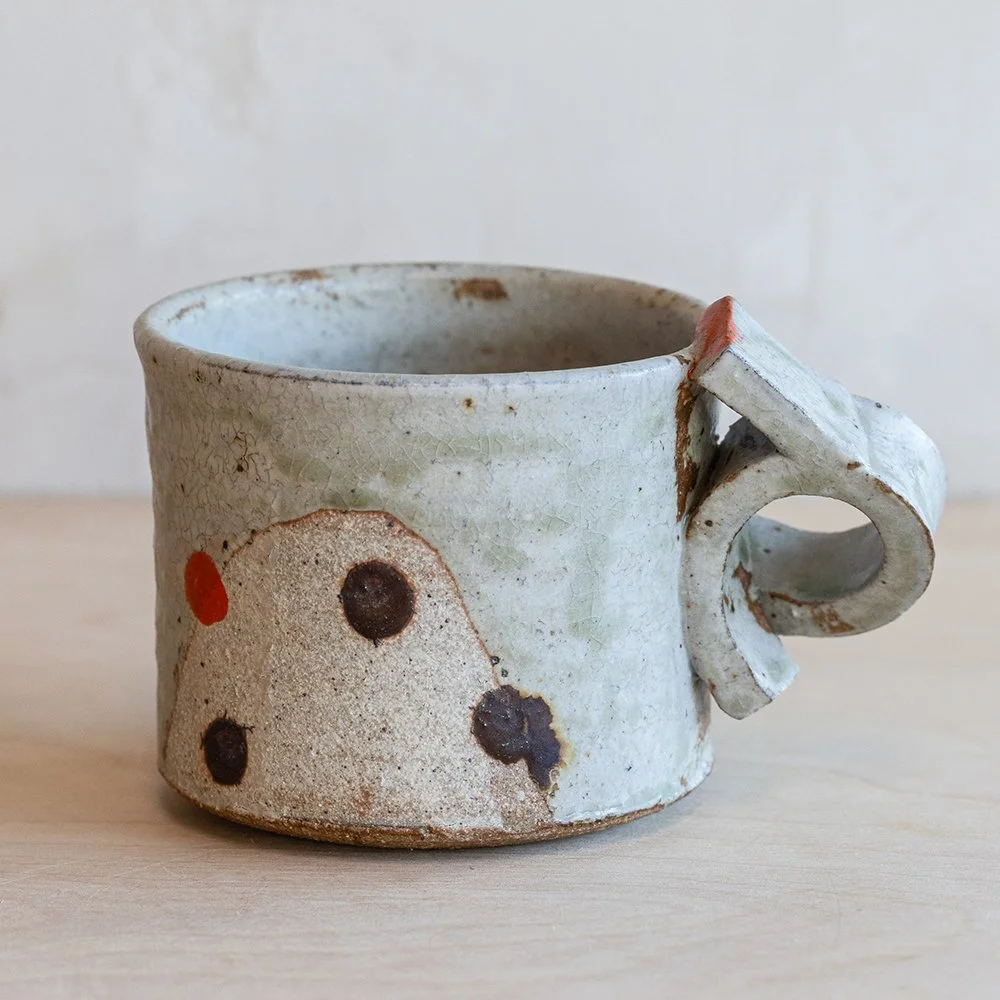
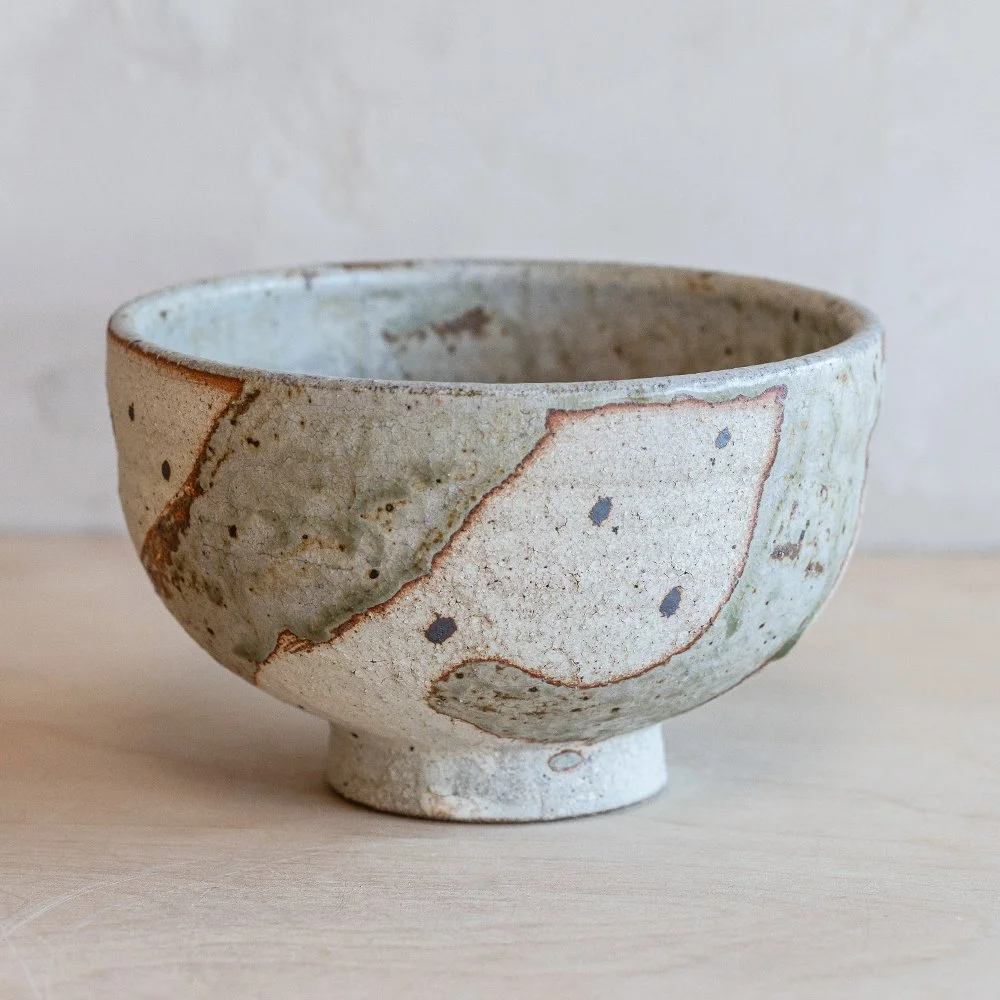
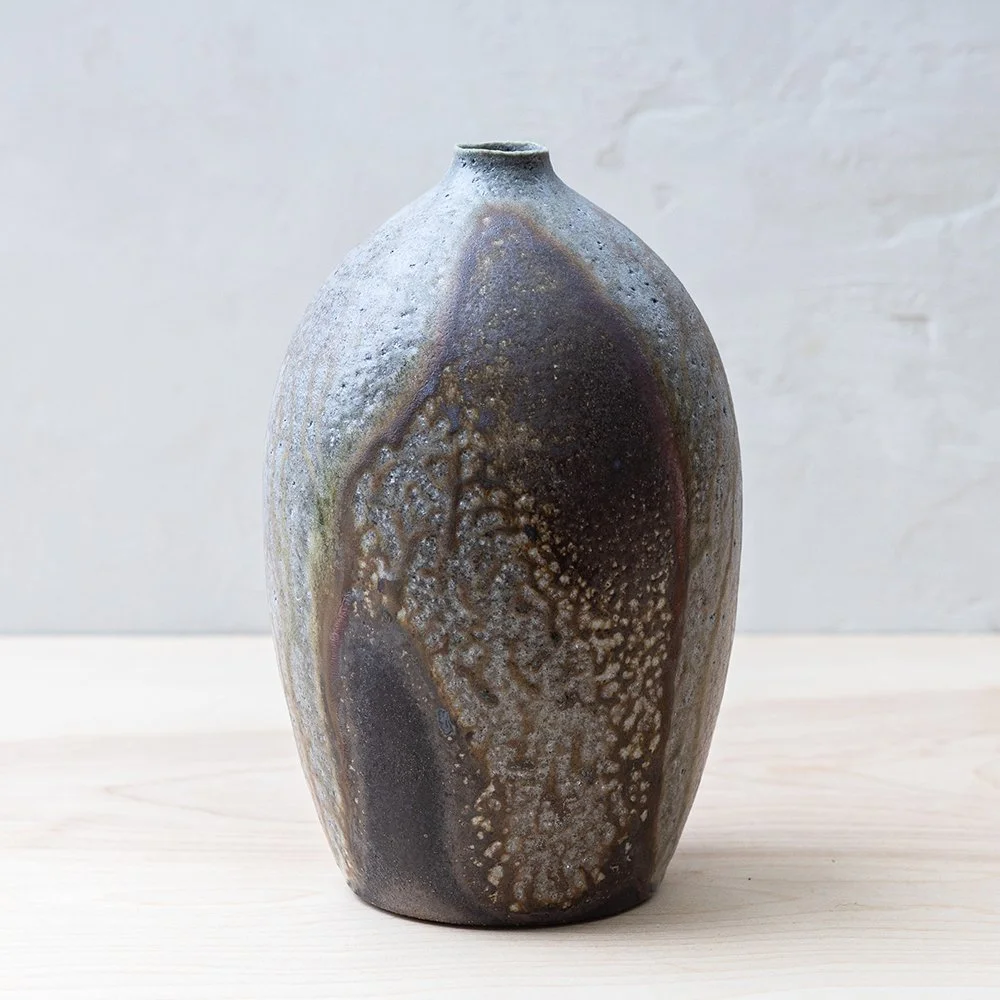
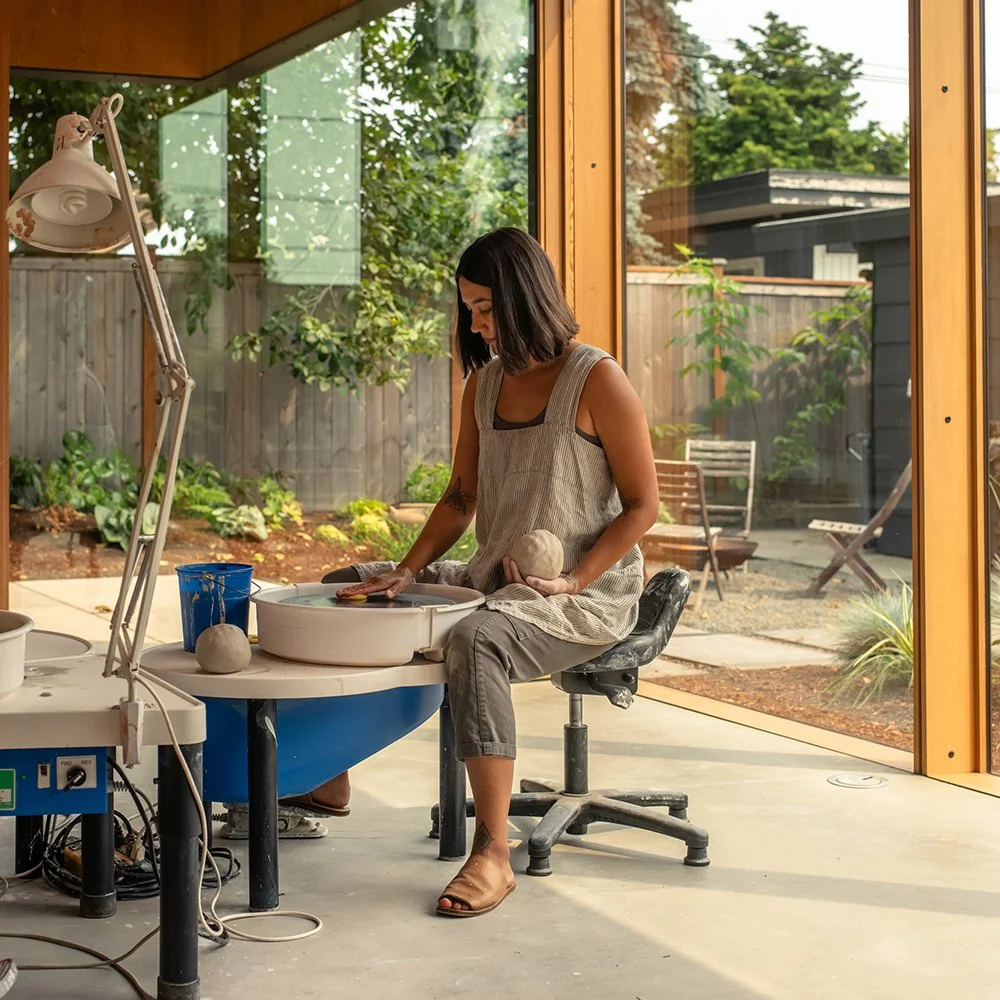
Natasha Alphonse, Seattle, WA
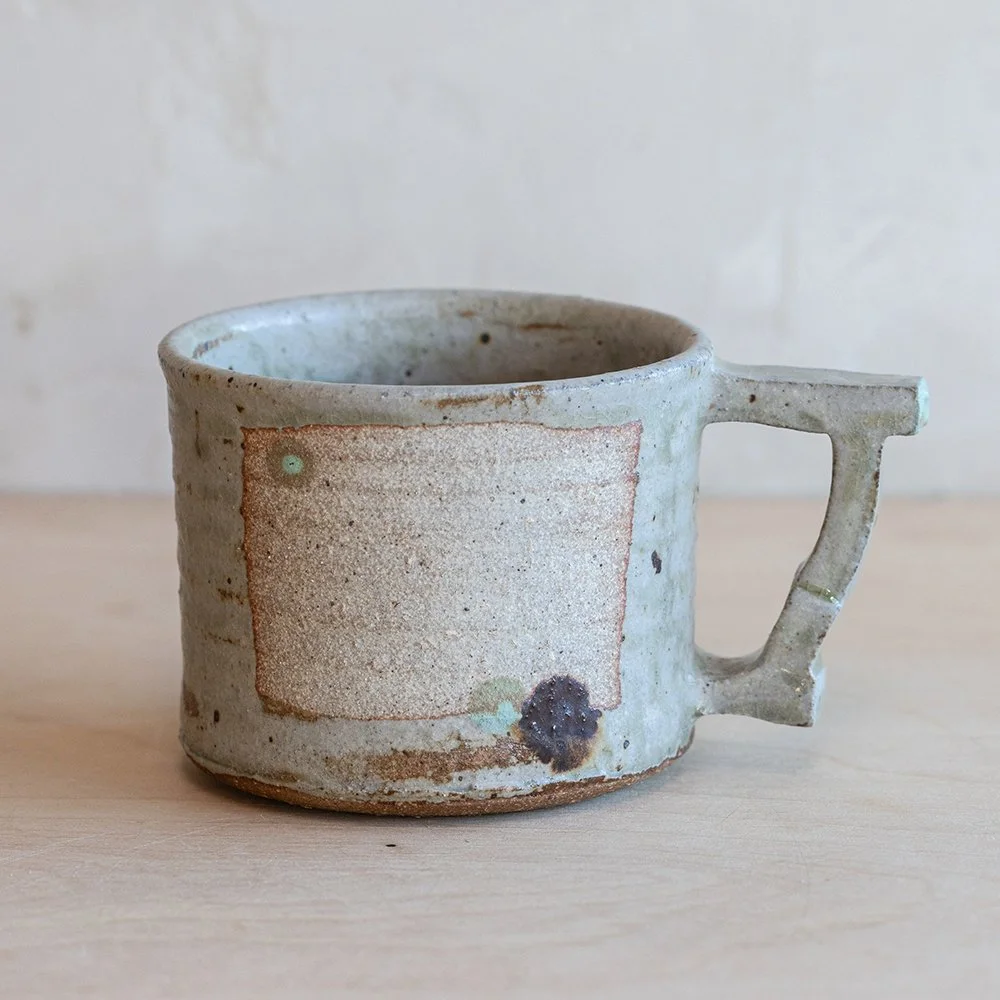
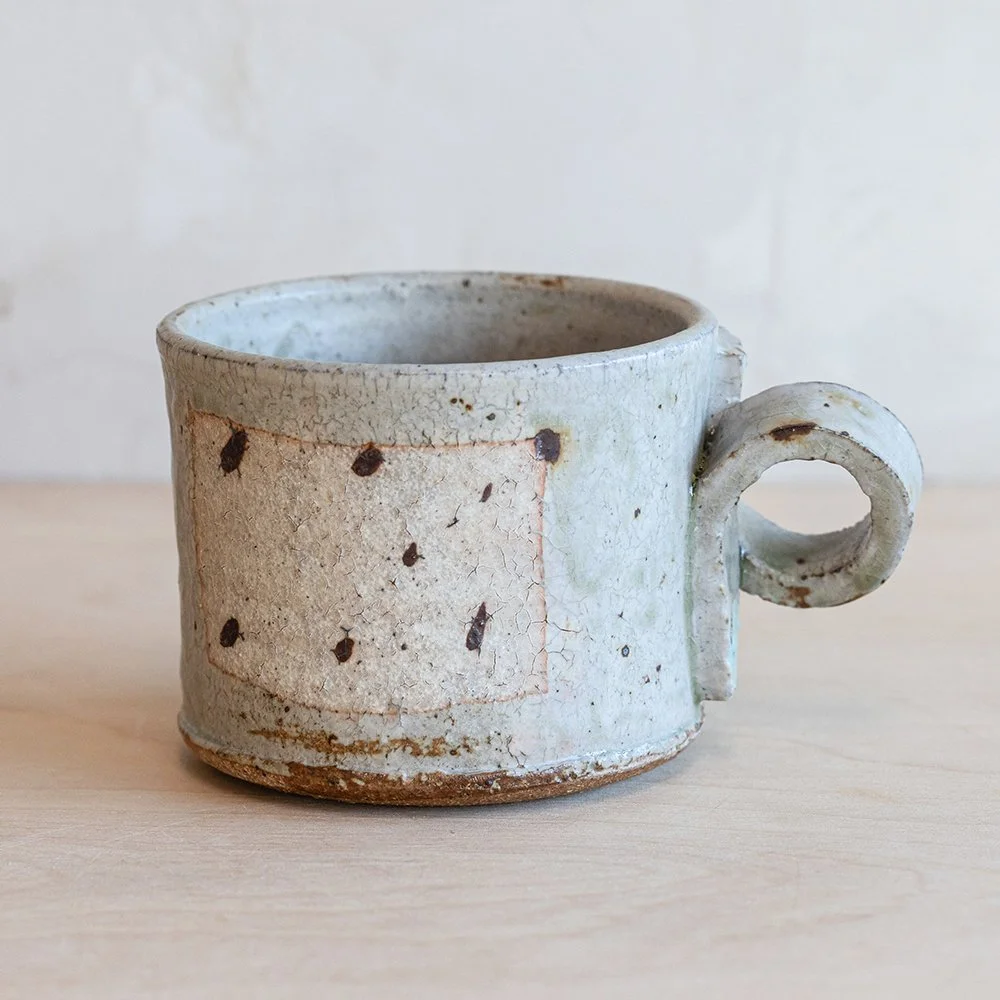
Natasha Alphonse is a Seattle-based ceramic artist whose functional works reflect a minimalist and earthy aesthetic. A member of the Dene Nation from Northern Saskatchewan, she draws inspiration from nature and the vivid memories of her childhood spent in a remote and expansive landscape. Her forms strive for visual balance and grounding, while the use of atmospheric firing processes brings a rustic, organic quality to each surface. Through her work, she connects the quiet beauty of the natural world with the tactile intimacy of handmade objects.
alphonsestudio.com
Instagram: @natashaalphonse
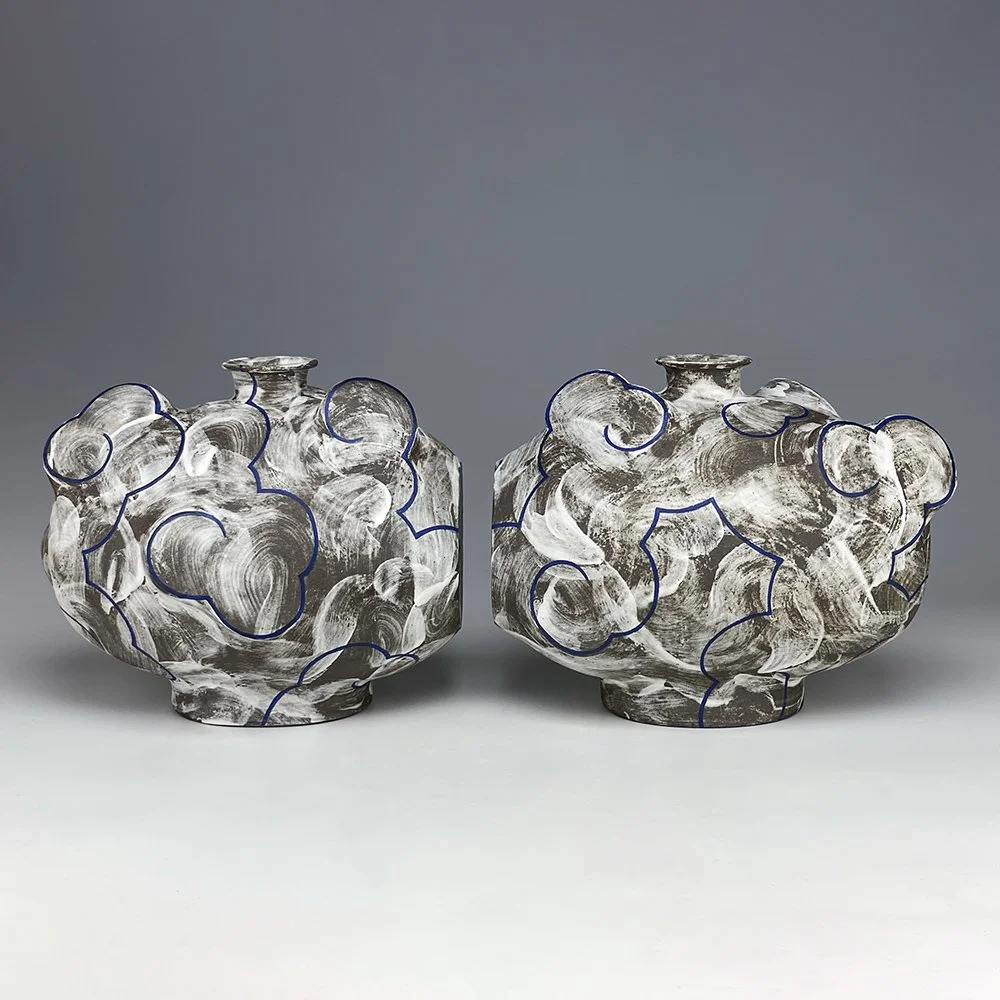
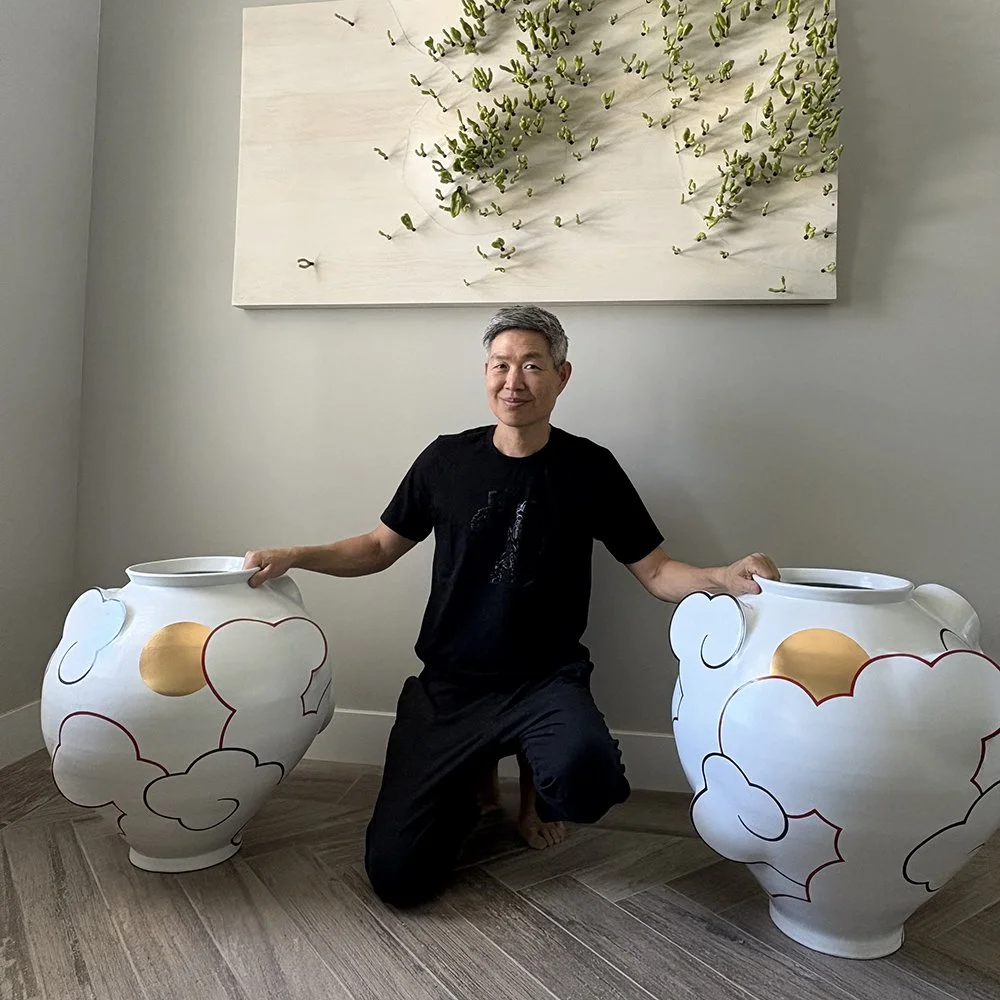
Sam Chung, Phoenix, AZ
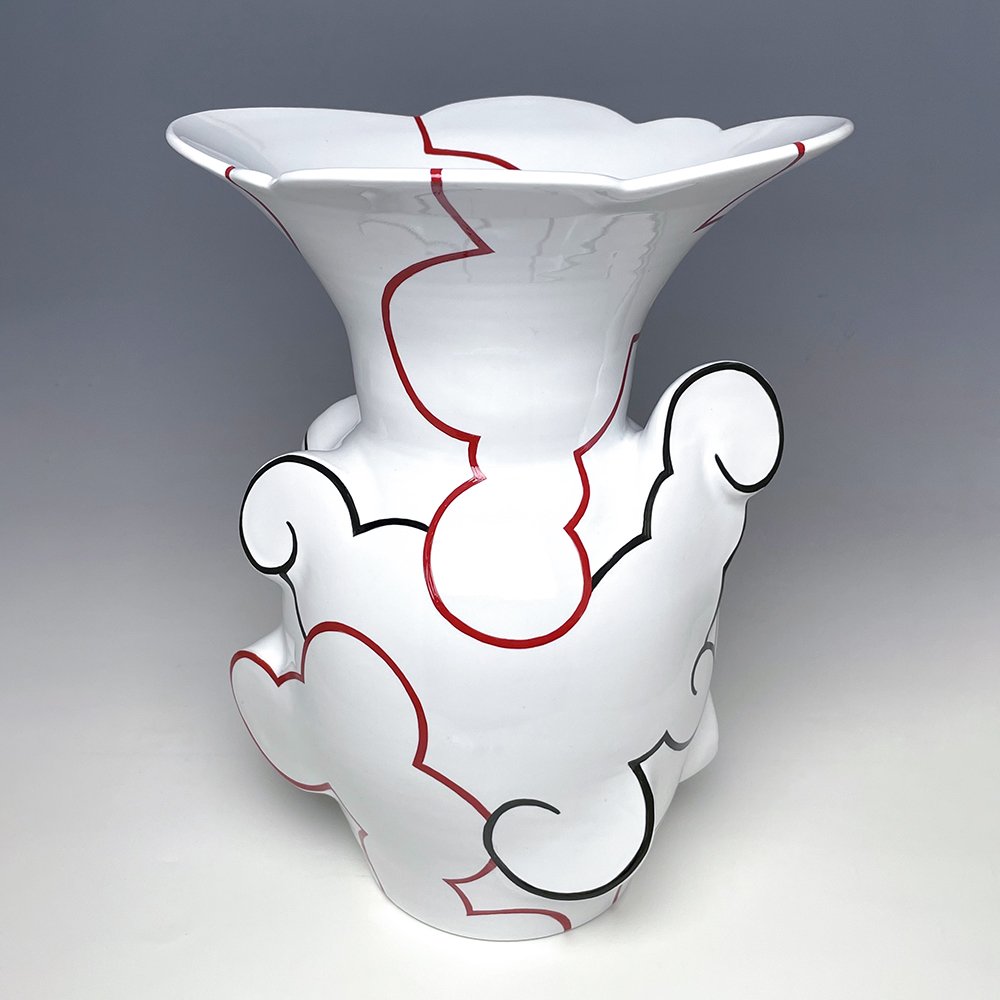
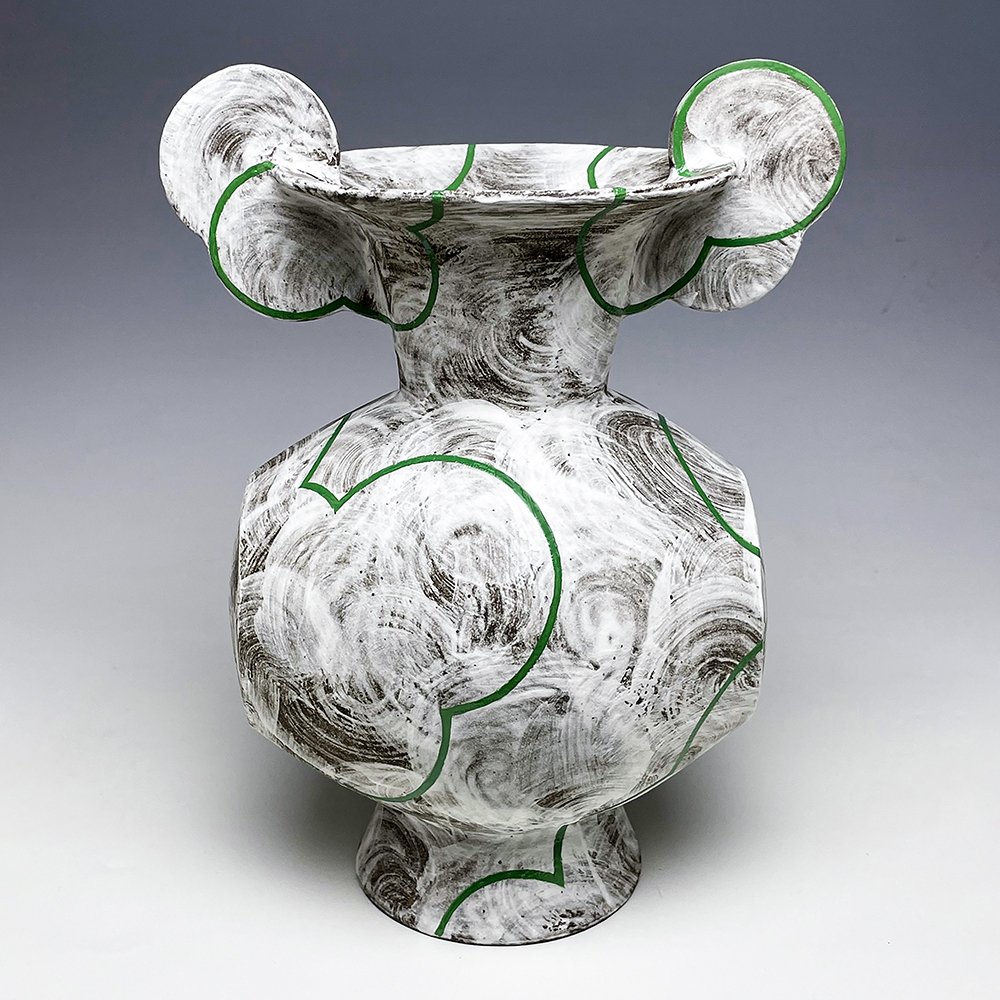
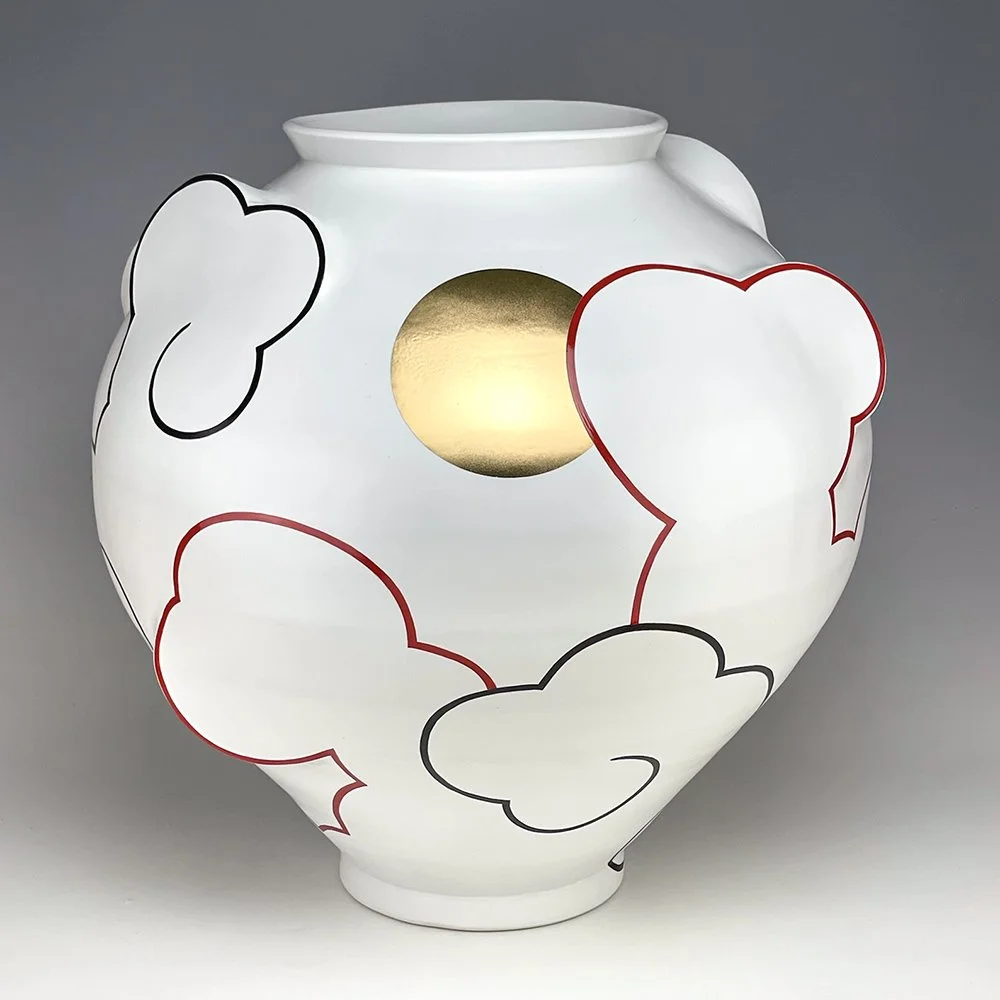
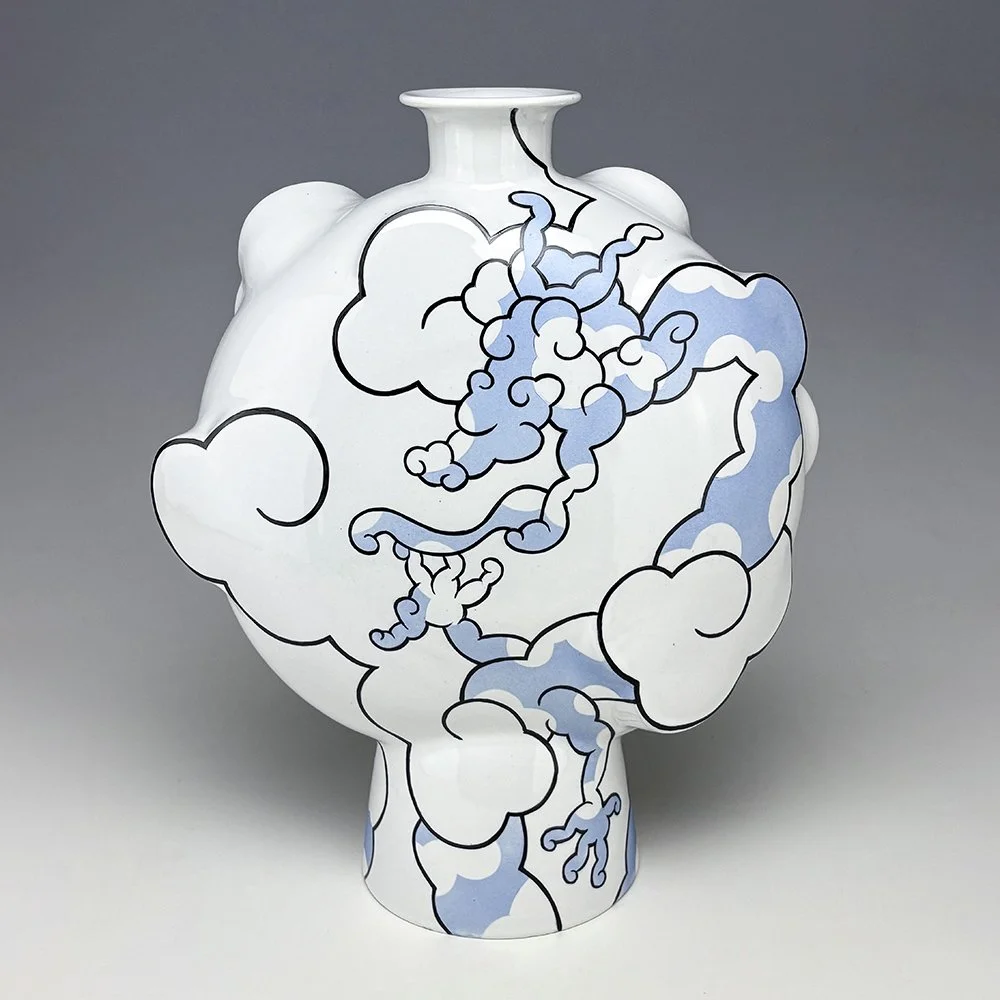
I work within the context of the vessel to harness its universal identity and express a vision that merges historical, contemporary and cultural influences. I am driven by the desire to find connections between diverse forms of creative expression, ranging from art, traditional craft, and design. By combining often disparate elements, I create new objects that challenge perceptions of what is familiar and what is new.
My work is influenced by Korean art and design, with the cloud serving as a metaphor for the liminal space of navigating between two cultures. These cultural references in my forms and designs act as an anchor, connecting to my own ethnic lineage while simultaneously questioning my sense of belonging within or outside of it.
www.samchungceramics.com
Instagram: @sammychung70
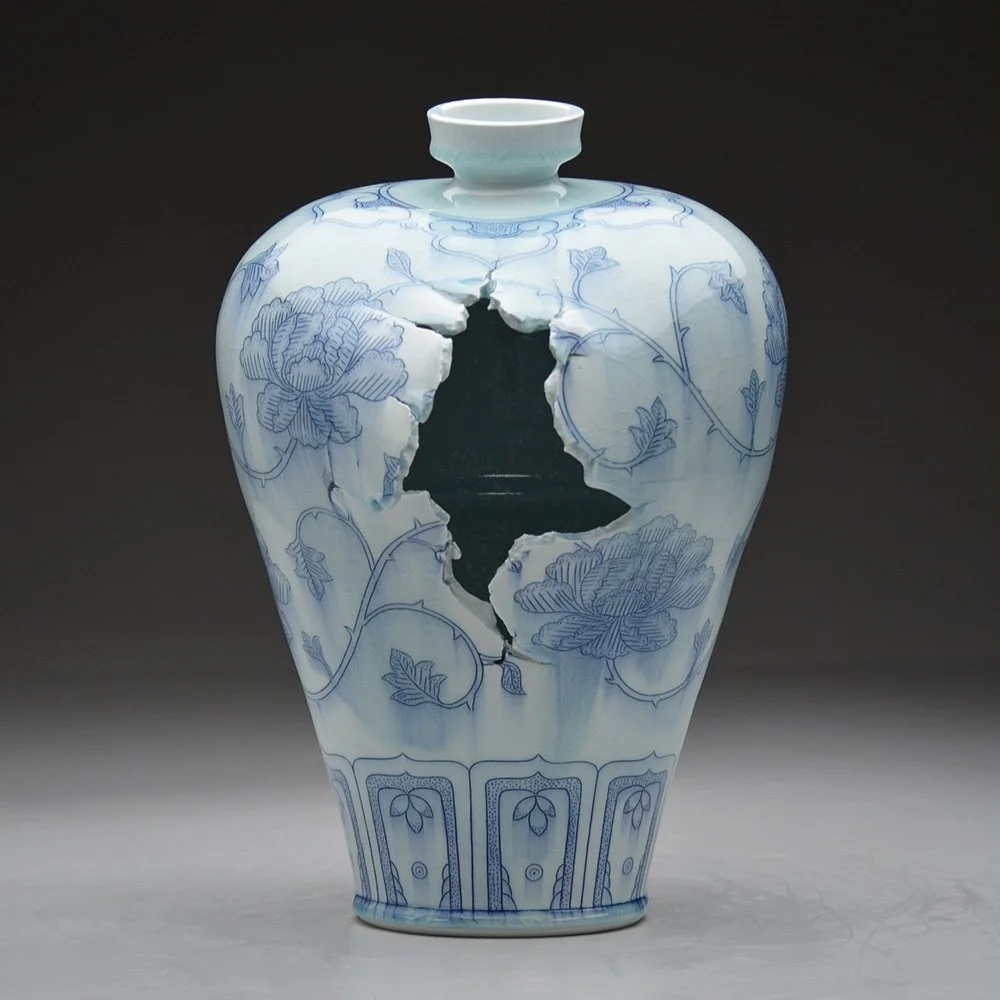
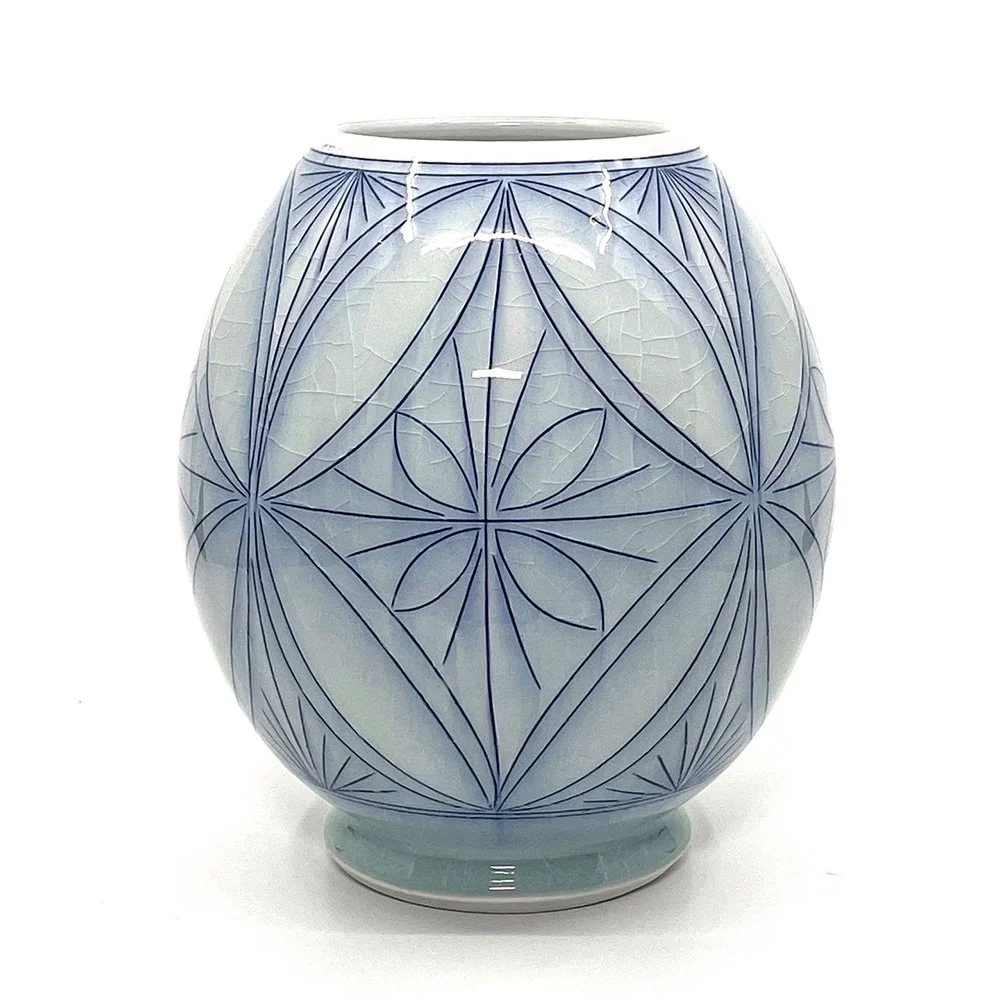
Steven Young Lee, Helena, MT
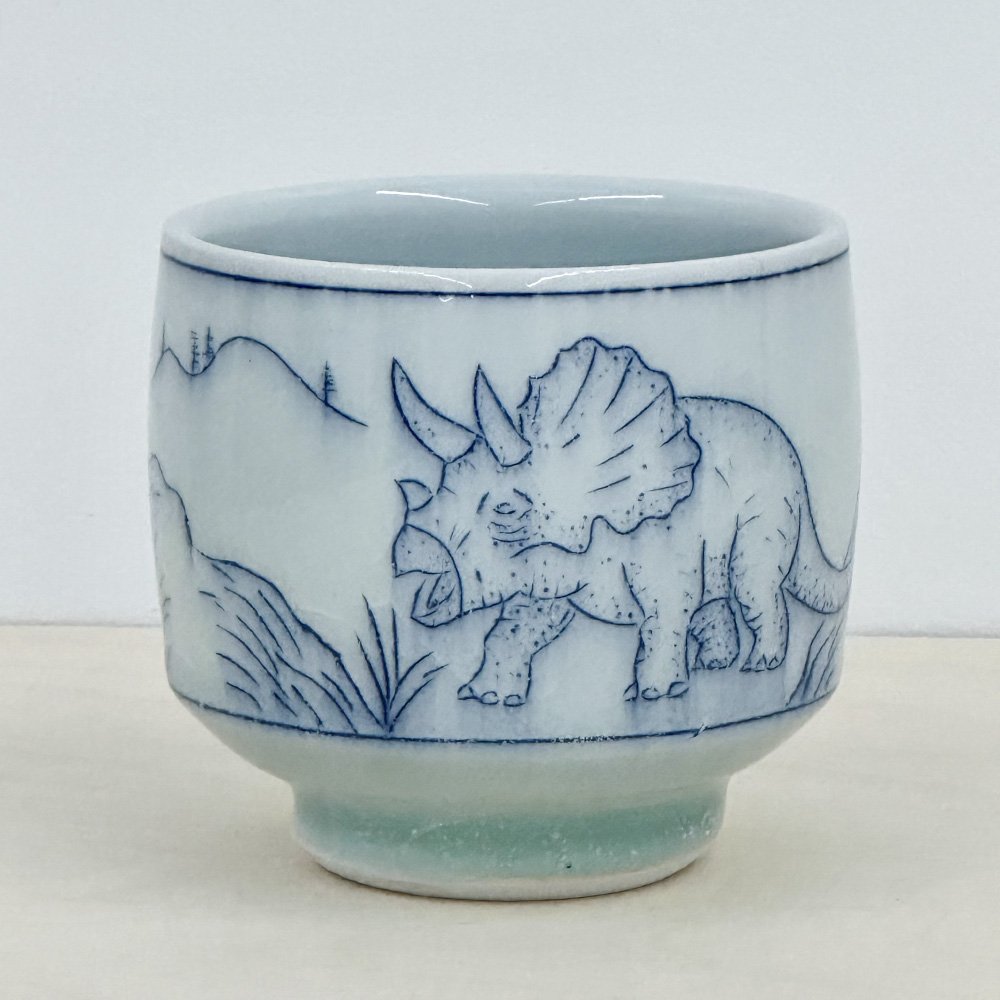
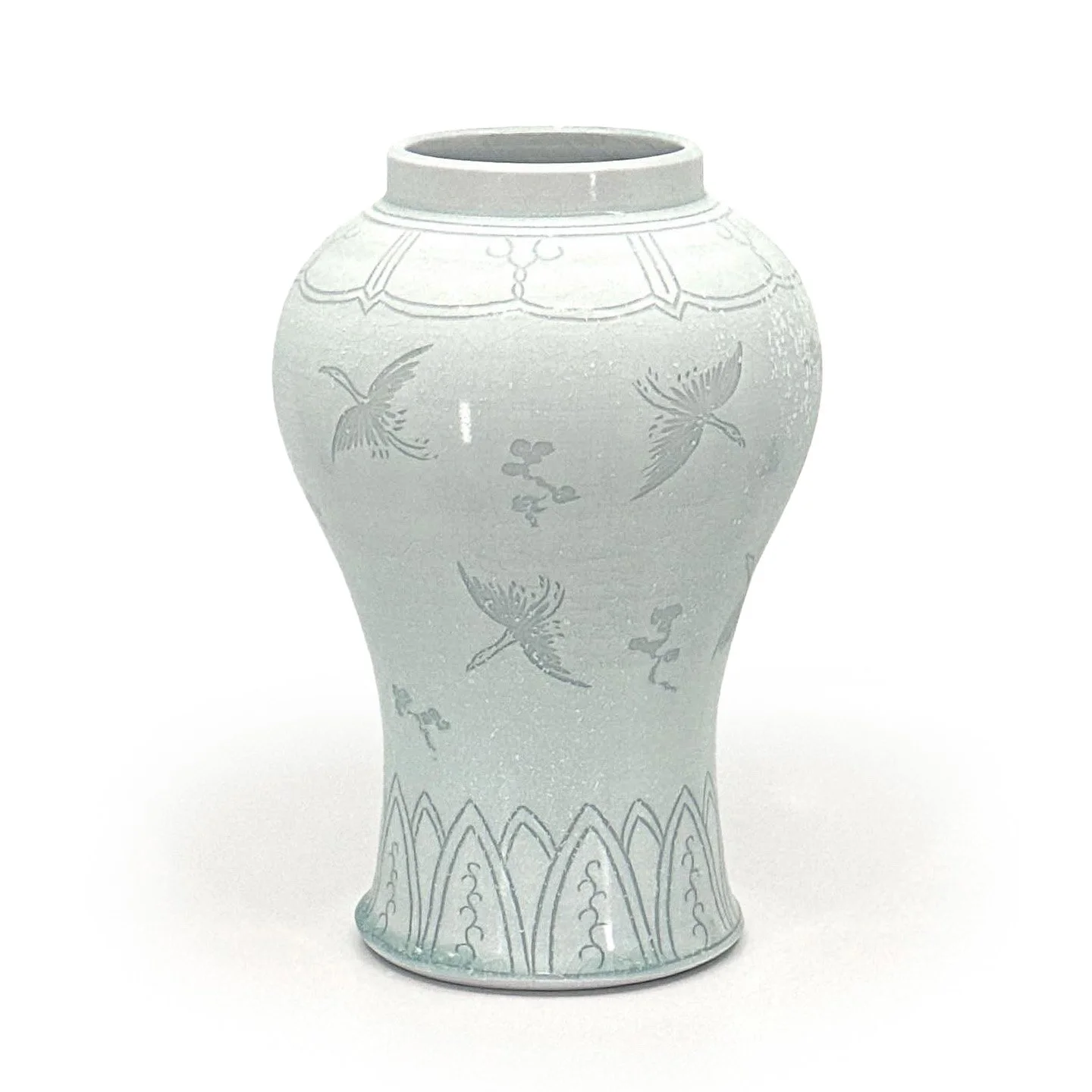
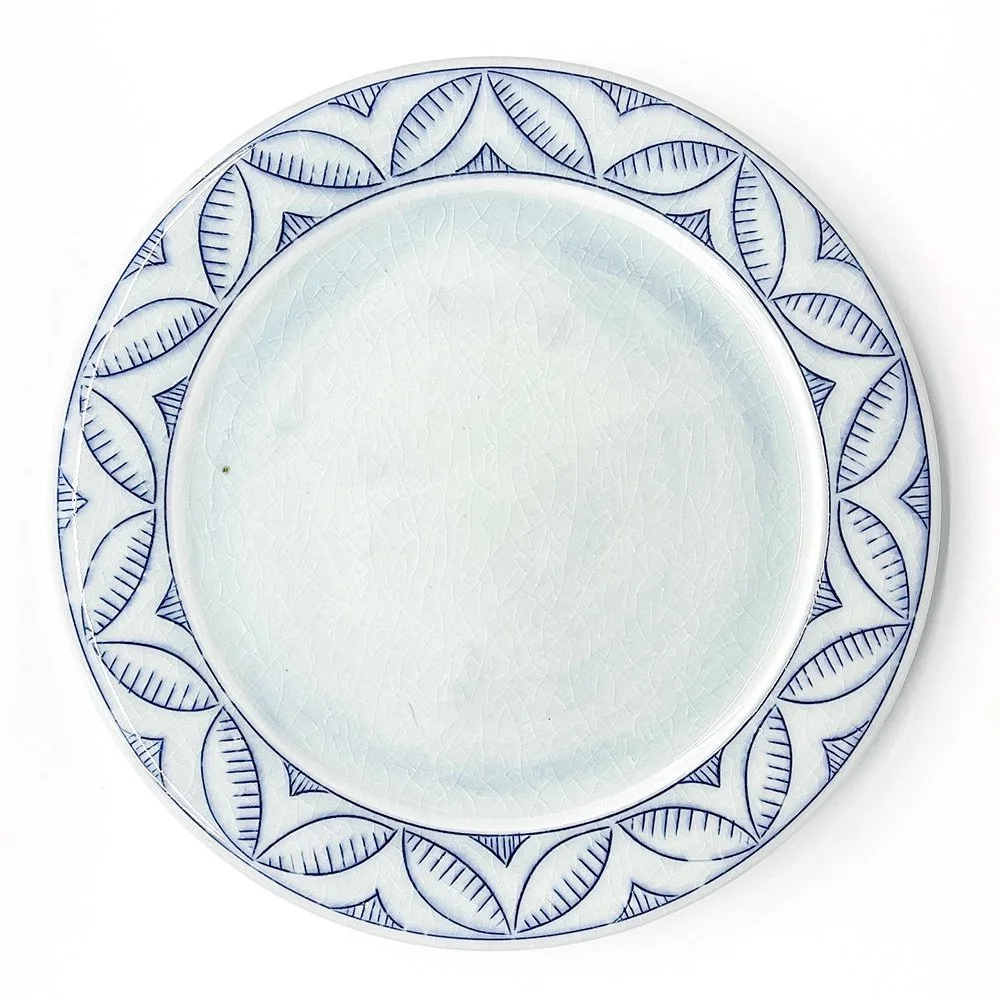
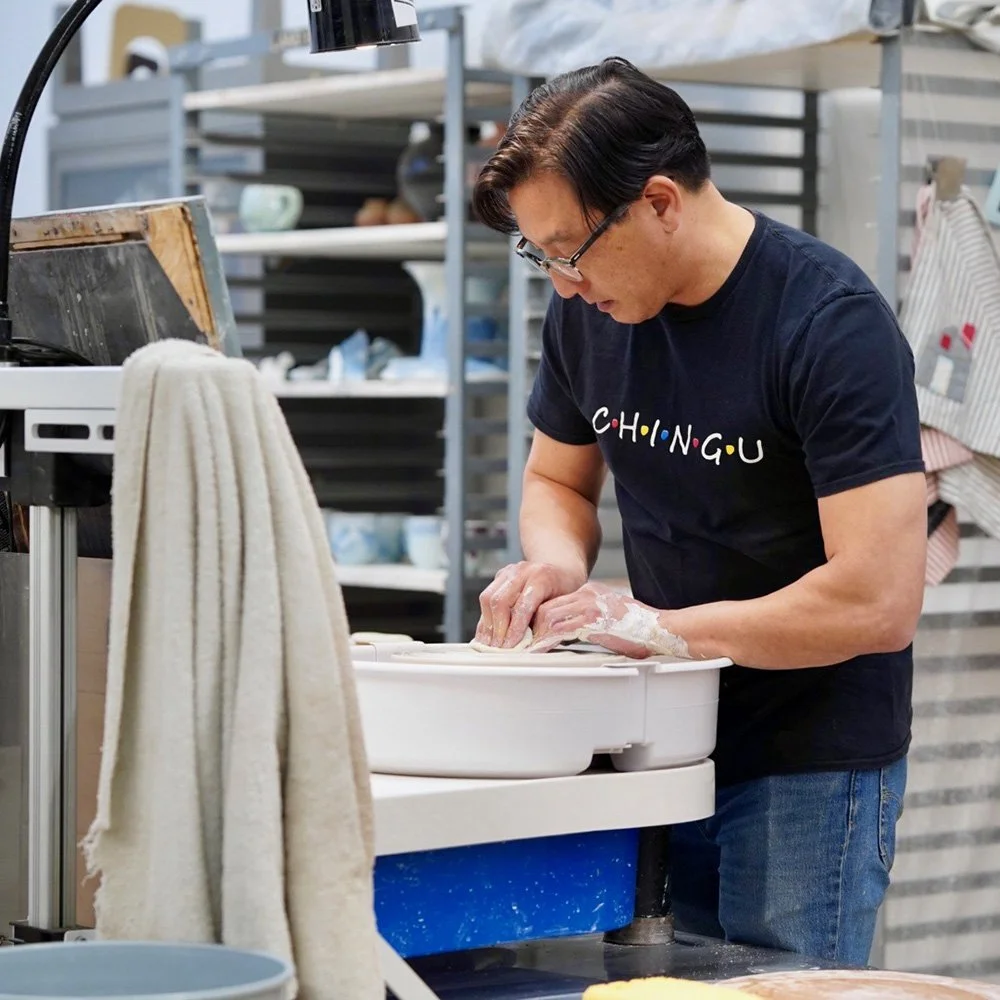
Steven Young Lee is a contemporary artist living and working in Helena, Montana. He has exhibited and lectured internationally and in 2004-5, spent a year working and researching in Jingdezhen, China and Seoul, South Korea. He served as the Resident Artist Director of the Archie Bray Foundation for 16 years from 2006-22 where he maintained an active studio practice along with orchestrating an organization devoted to excellence in ceramics.
Lee’s work has been collected by many major public and private collections including the Smithsonian Museum, the Los Angeles County Museum of Art and the Four Seasons Hotel in Seoul, Korea.
www.stevenyounglee.com
Instagram: @stevenylee
Connee Mayeron, Shafer, MN
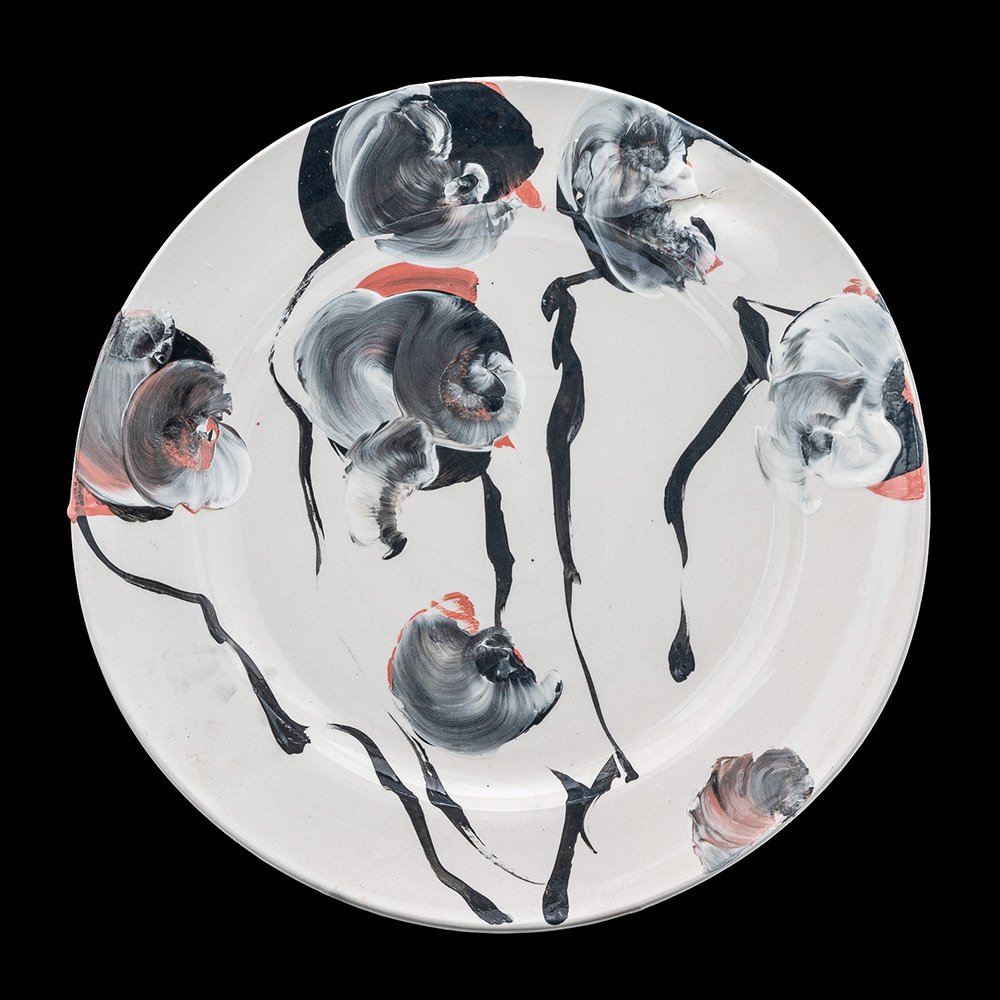
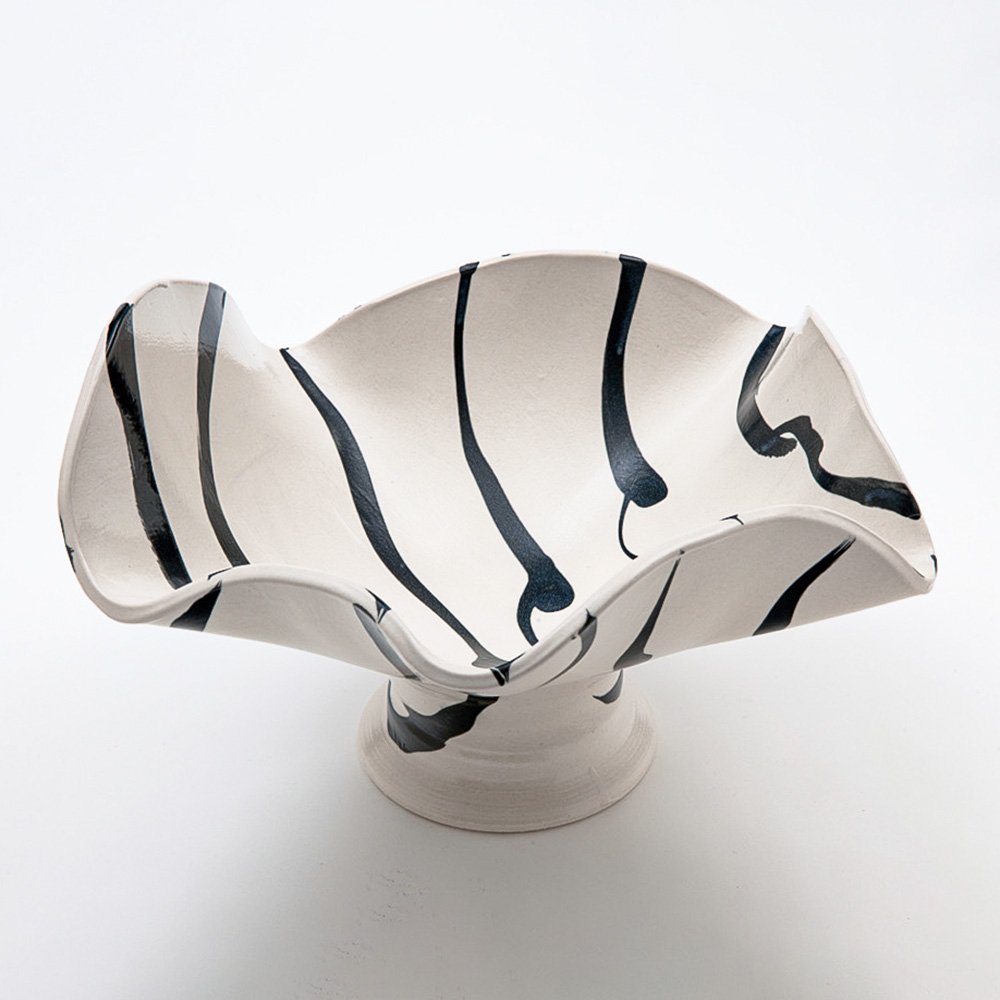
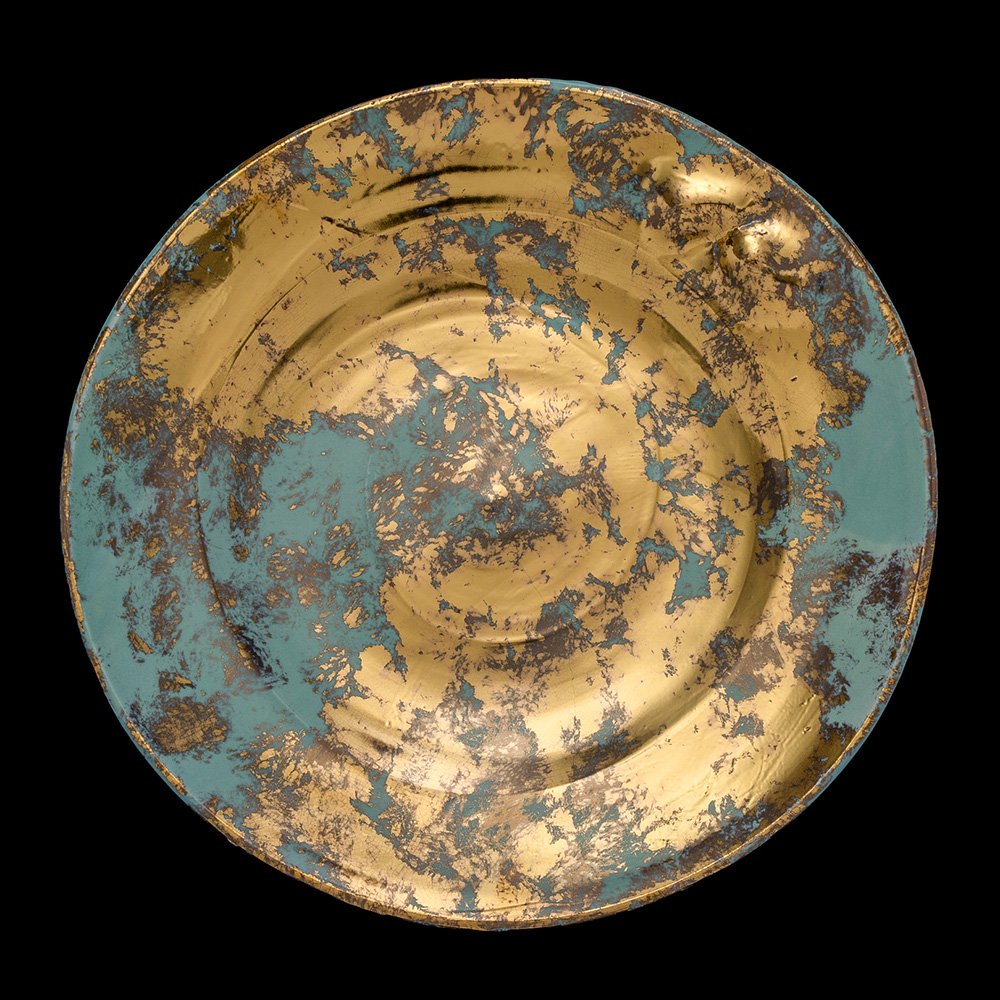
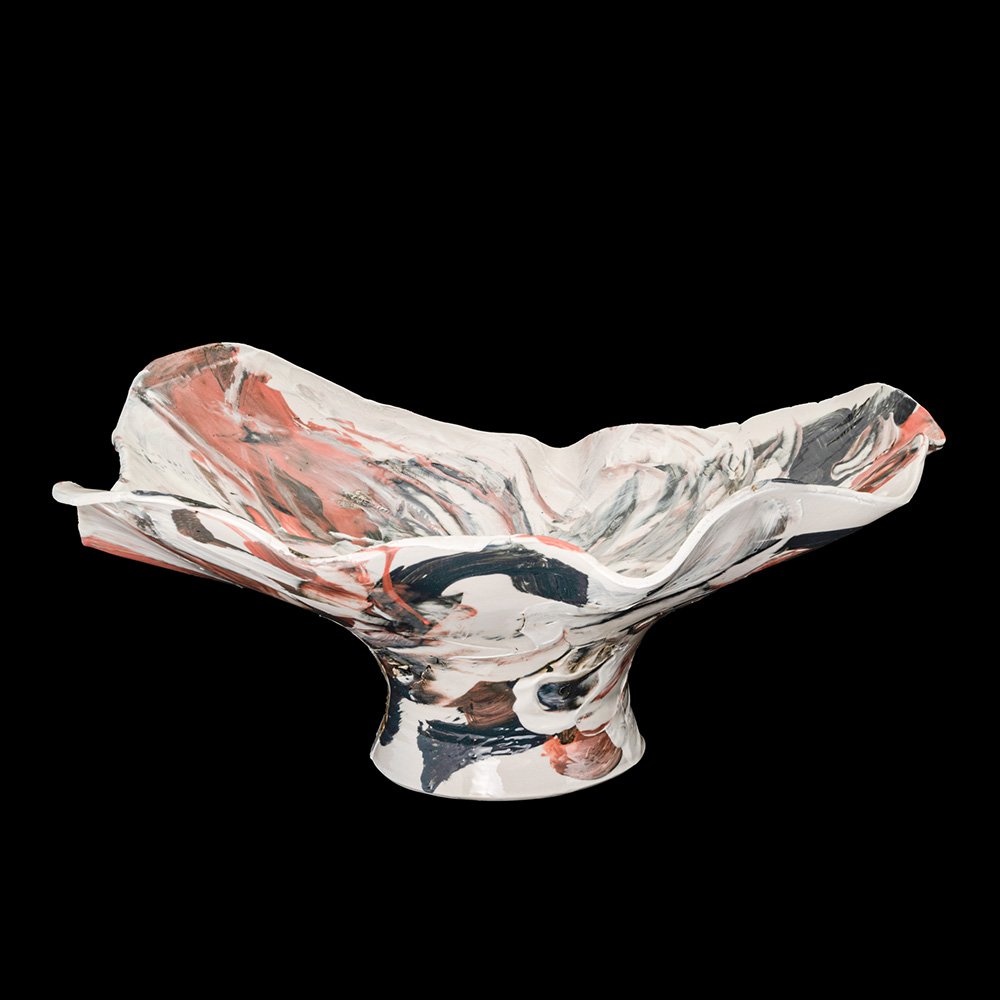
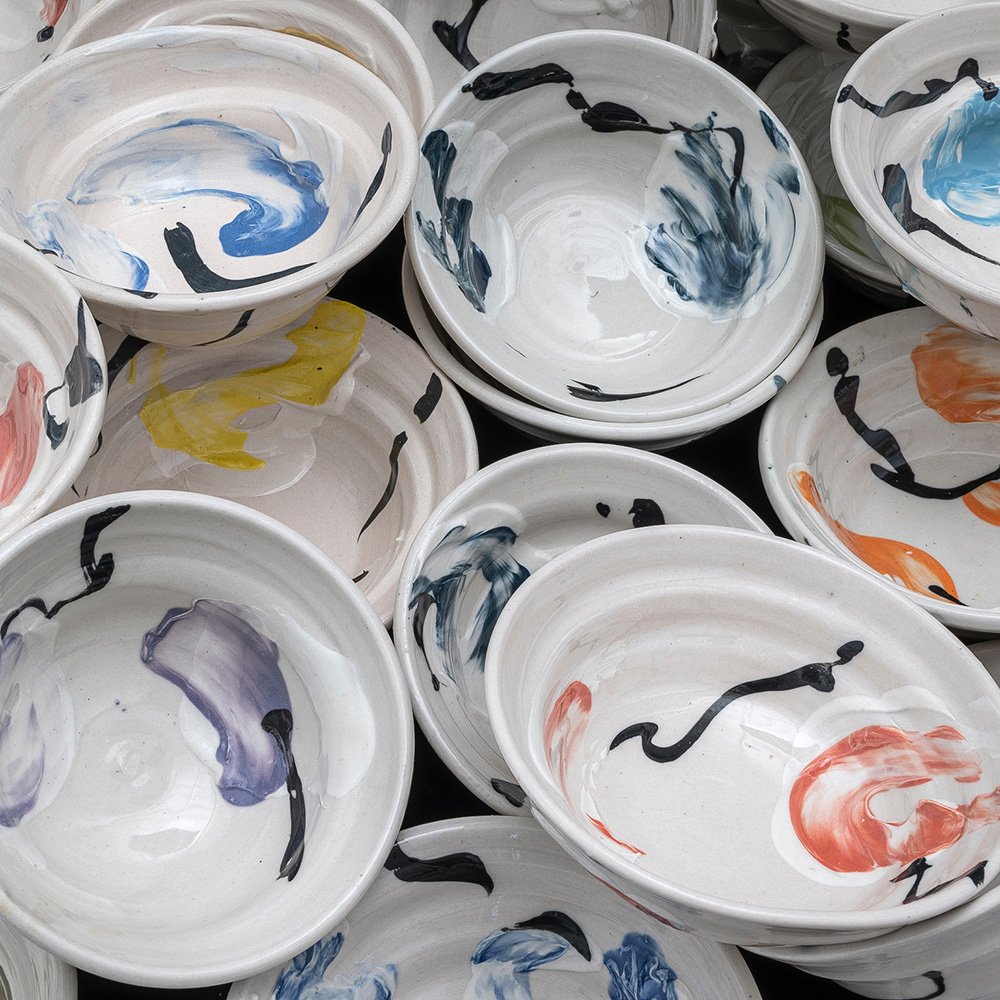
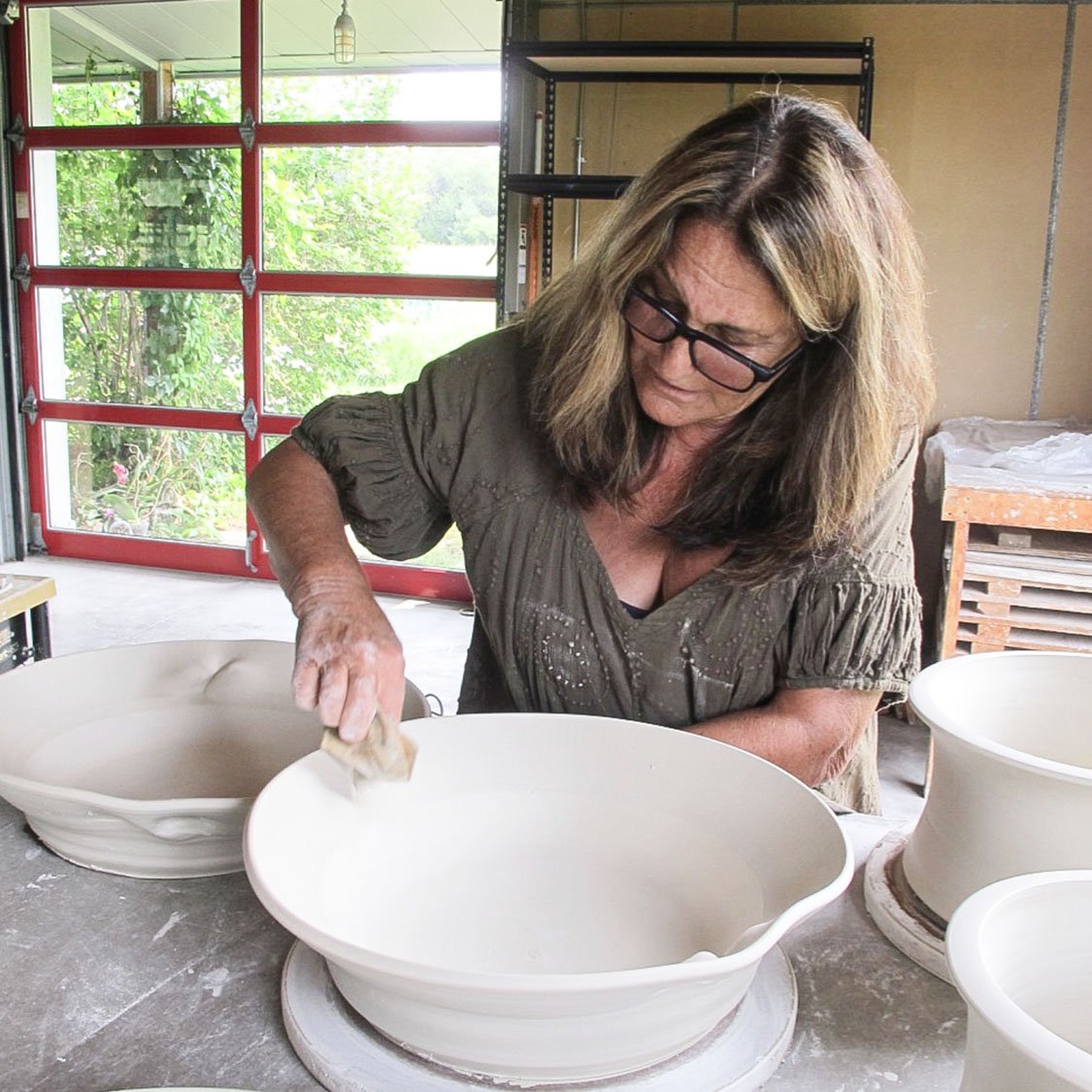
After 50 years of working with clay, my appreciation of the visual stories that nature presents is a constant conversation in my work. As an artist, I love the journey of discovery. In the world of ceramics, we are using clay that comes from the earth, and is then formed into a work of art. Food or flowers will most likely have a relationship with functional pots, and I enjoy the idea of that specific relationship. I strive for integrity and spontaneity with each piece, and the clay is the conduit for my unconscious conversation. My relationship with clay is ever changing, and this is what always keeps me excited and engaged as an artist
www.mayeroncowles.com
Visit Connee's webshop
Instagram: @constancemayeroncowles_studio
Jenny Mendes, Chesterland, OH
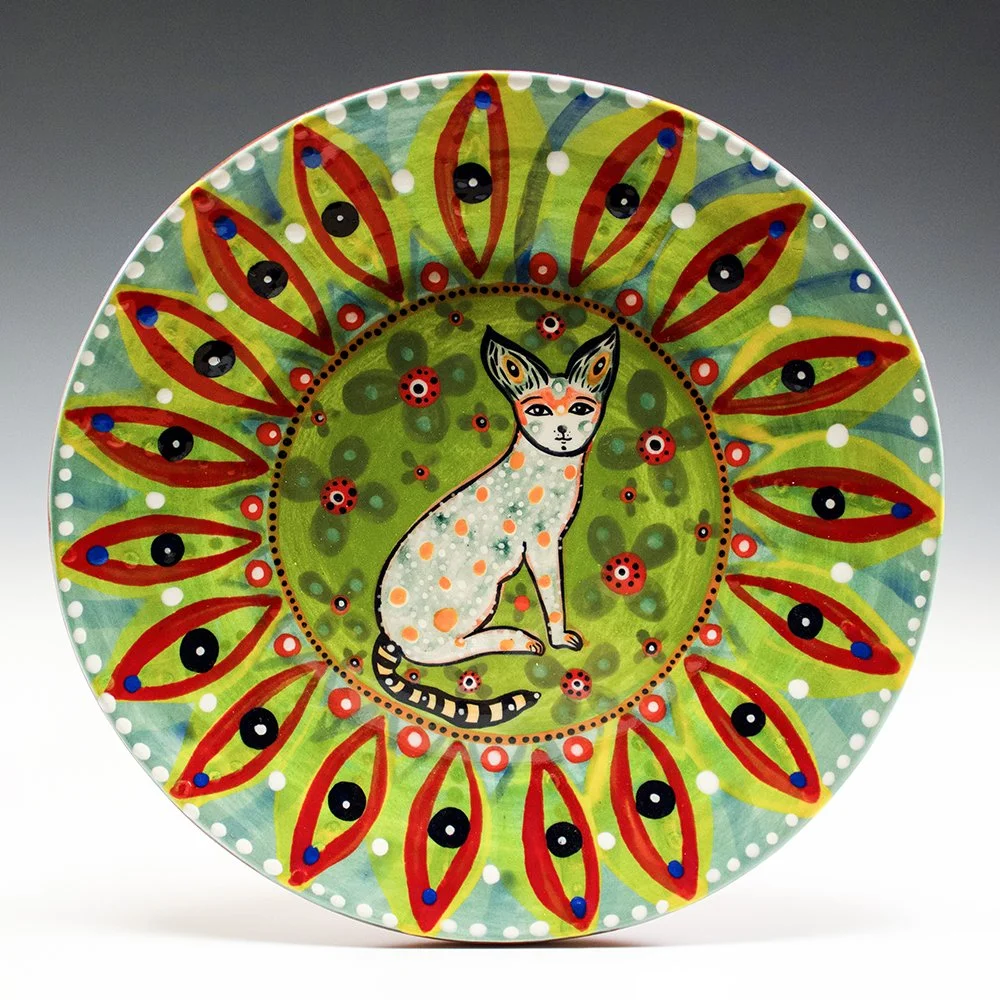
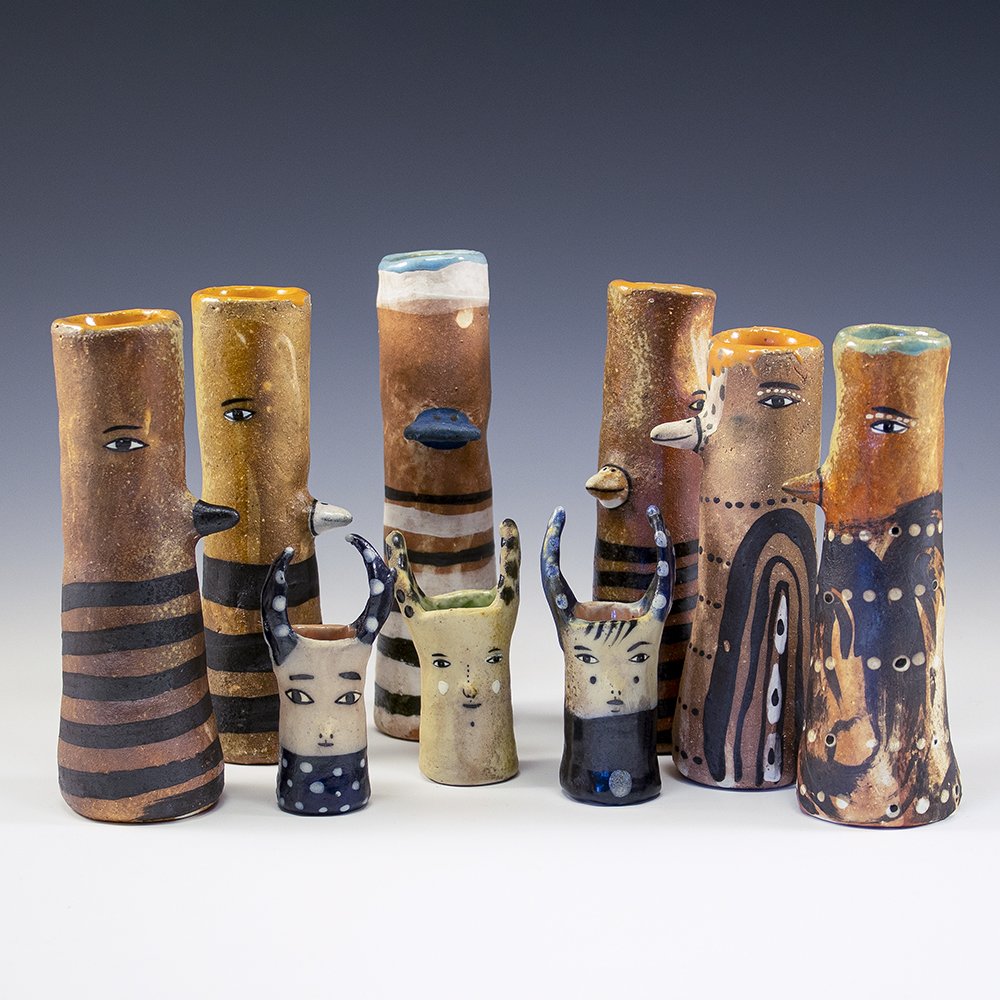
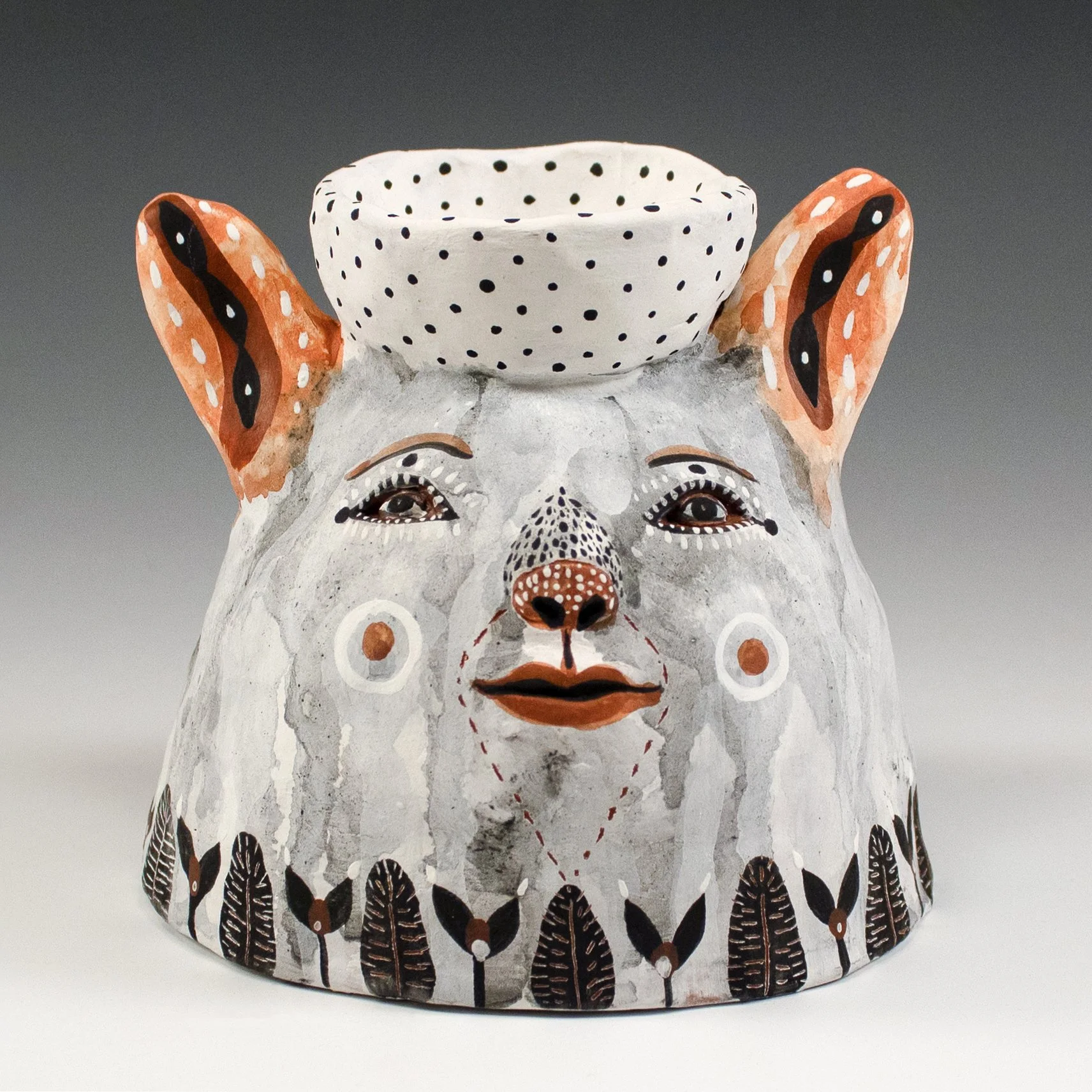
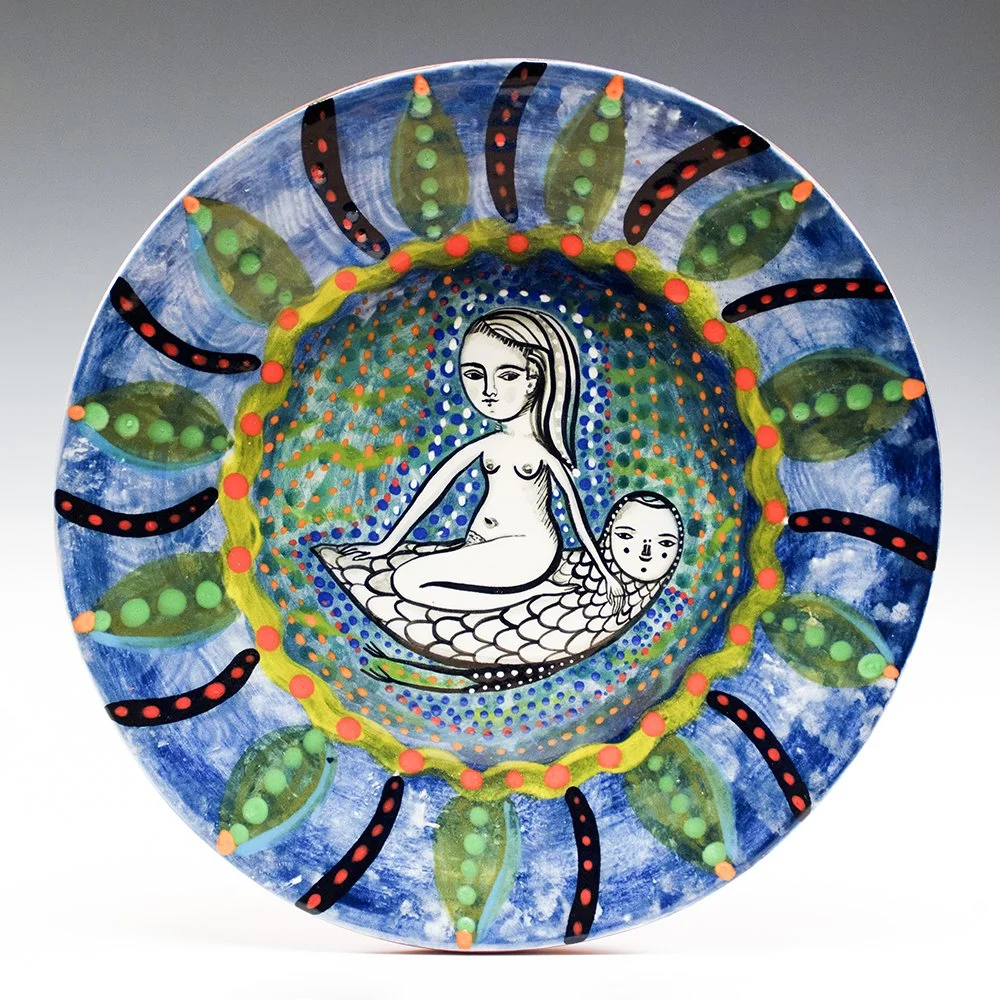
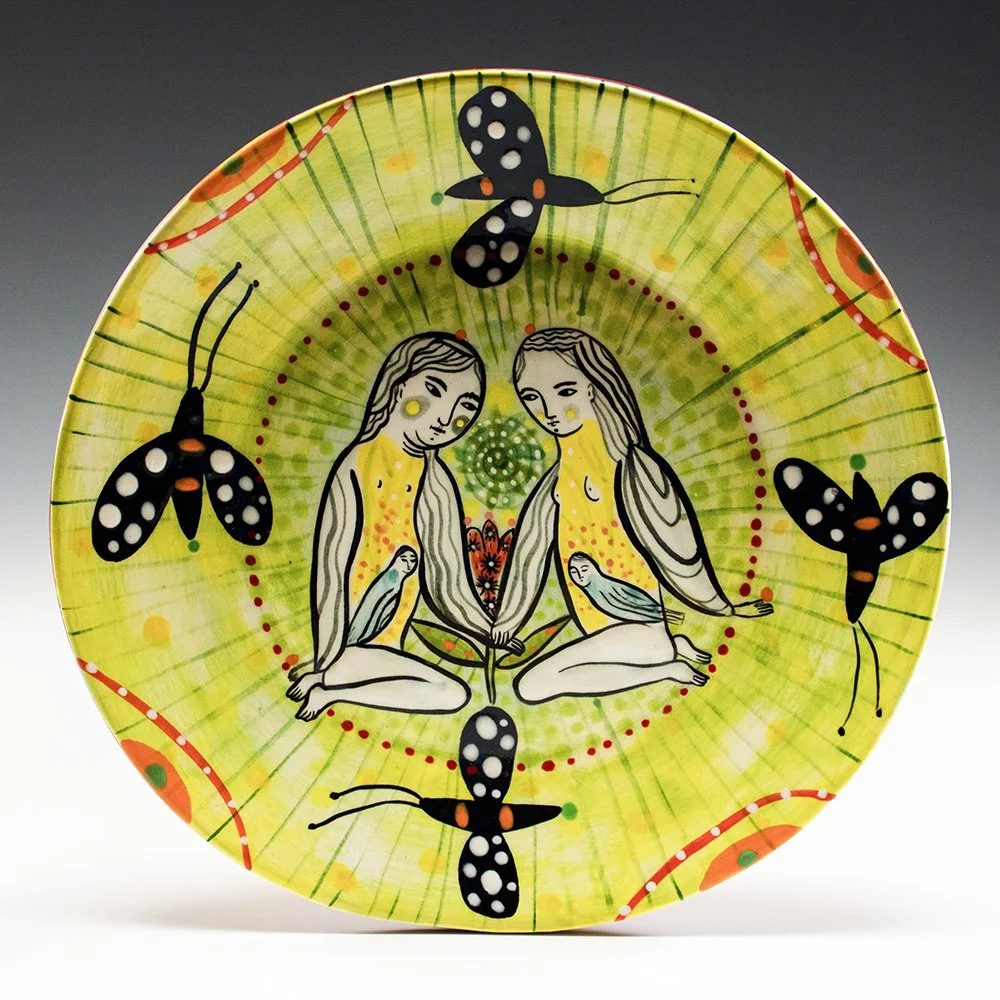
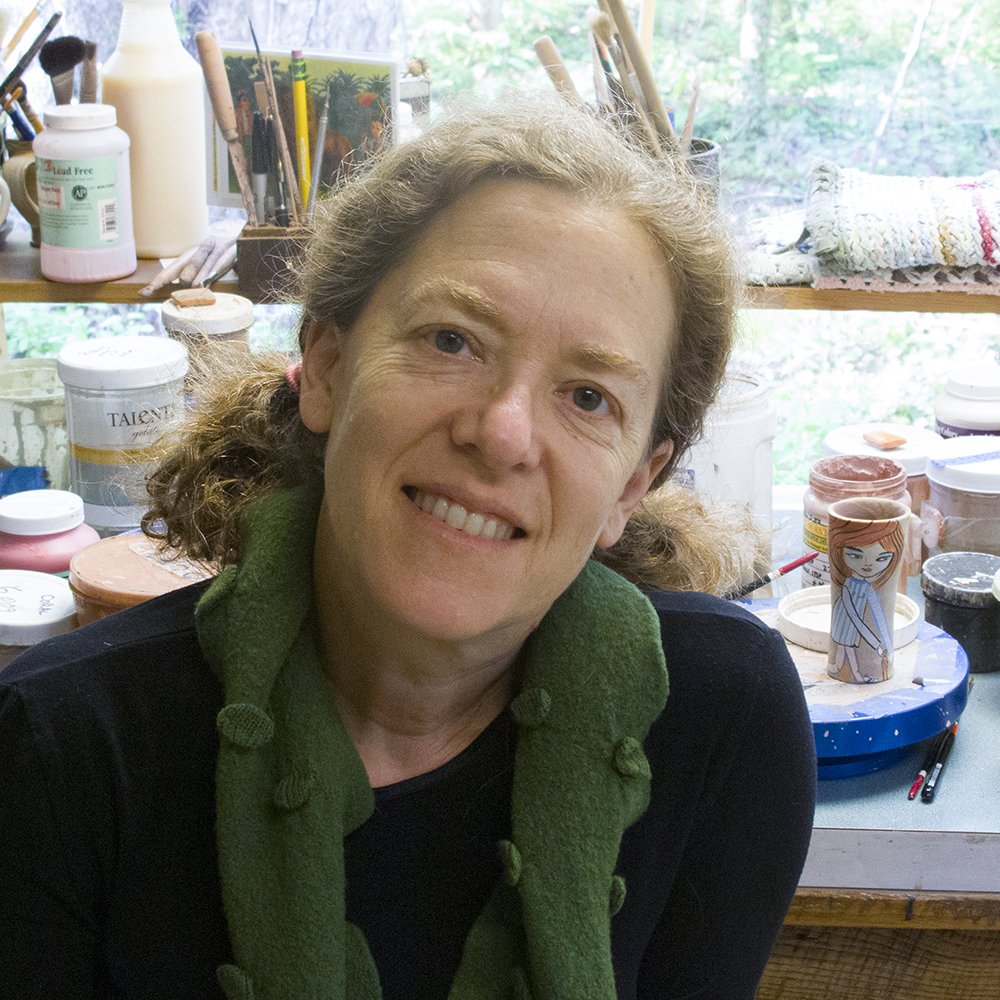
My ceramic work has always had a life of its own, separate from my desire to control it. If I look back at my ceramics over time, there is a continuous thread that runs through my work, a signature stylistic message from my unconscious to my conscious self. Always learning and relearning how to decipher and translate the special union I experience with this material, I find inspiration from deep connection to self and friends, from my relationships with nature, humans, and animals, and from working with energy both tangible and intangible. My daily practice uses active imagination in conversation with the materiality of clay. I would like my work to offer a sense of being buoyed and comforted by love, hope, curiosity, and the imagination.
www.jennymendes.com
Visit Jenny's webshop
Instagram: @misterclaudey
Liz Quackenbush, Seattle, WA
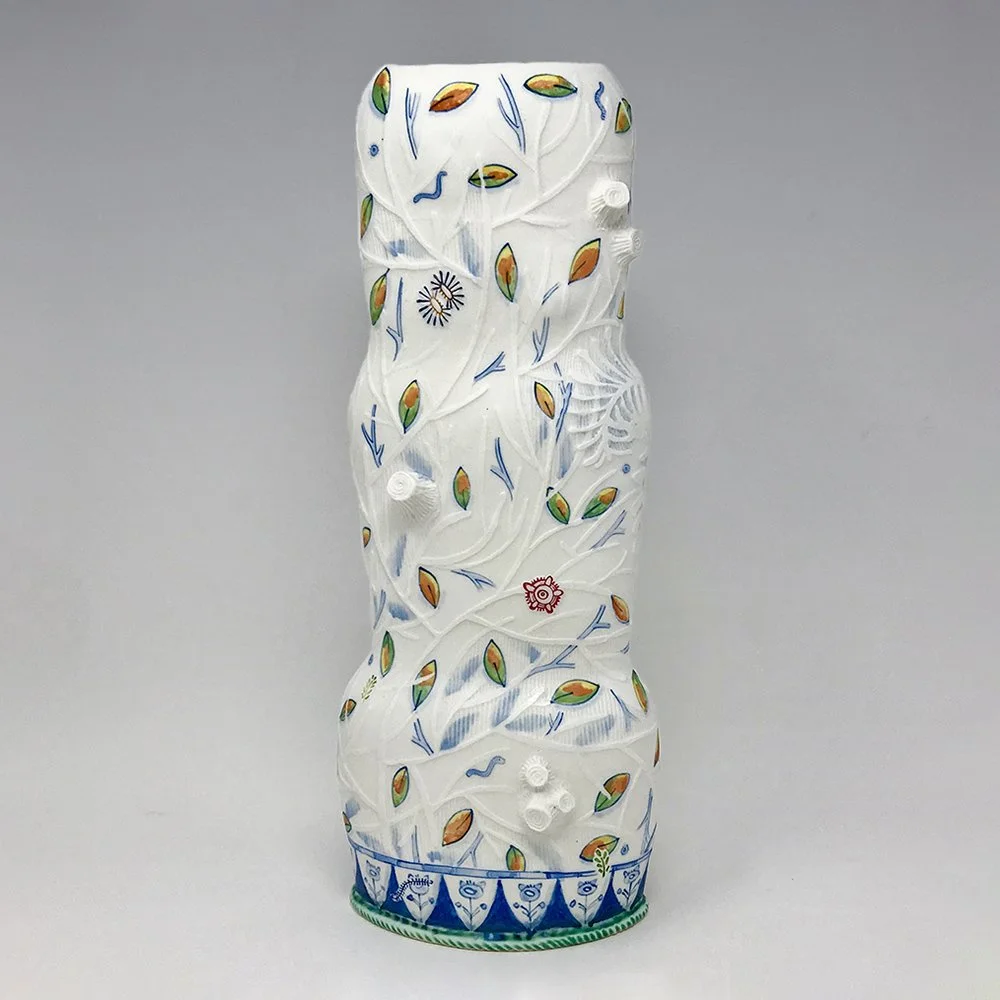
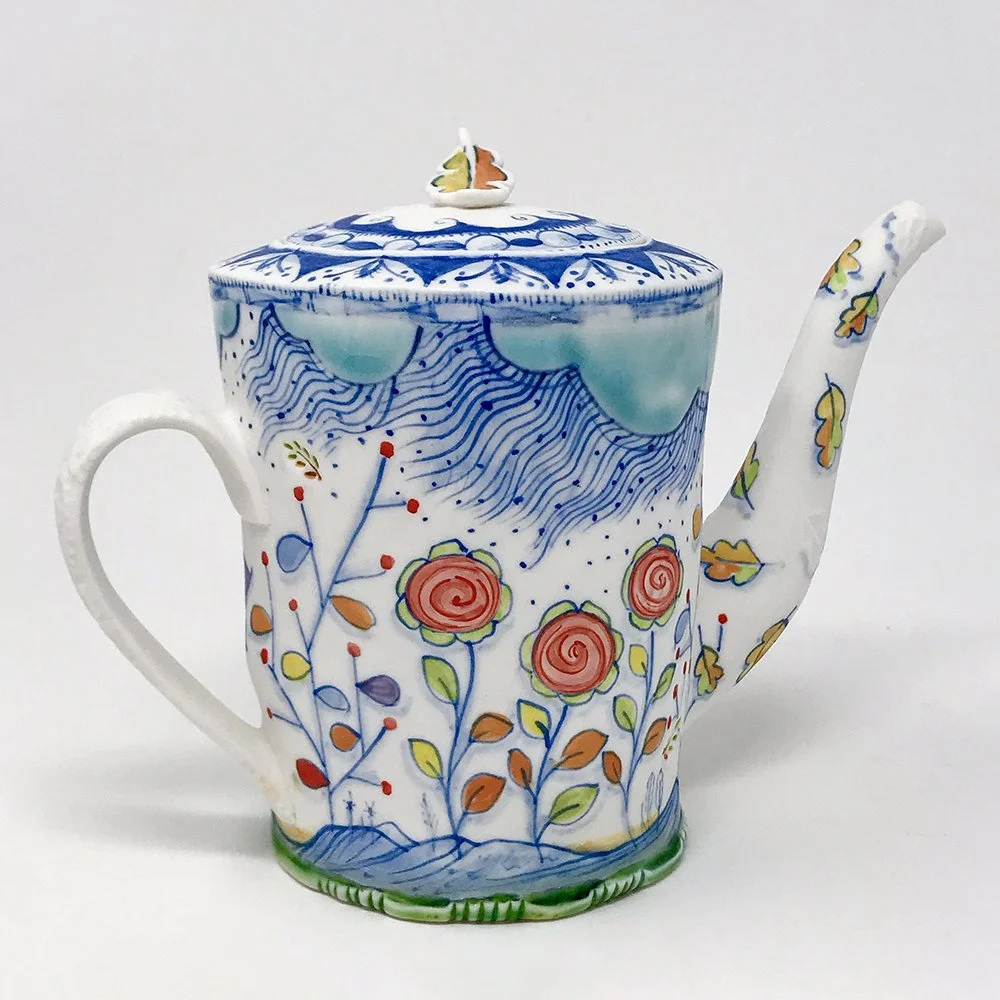
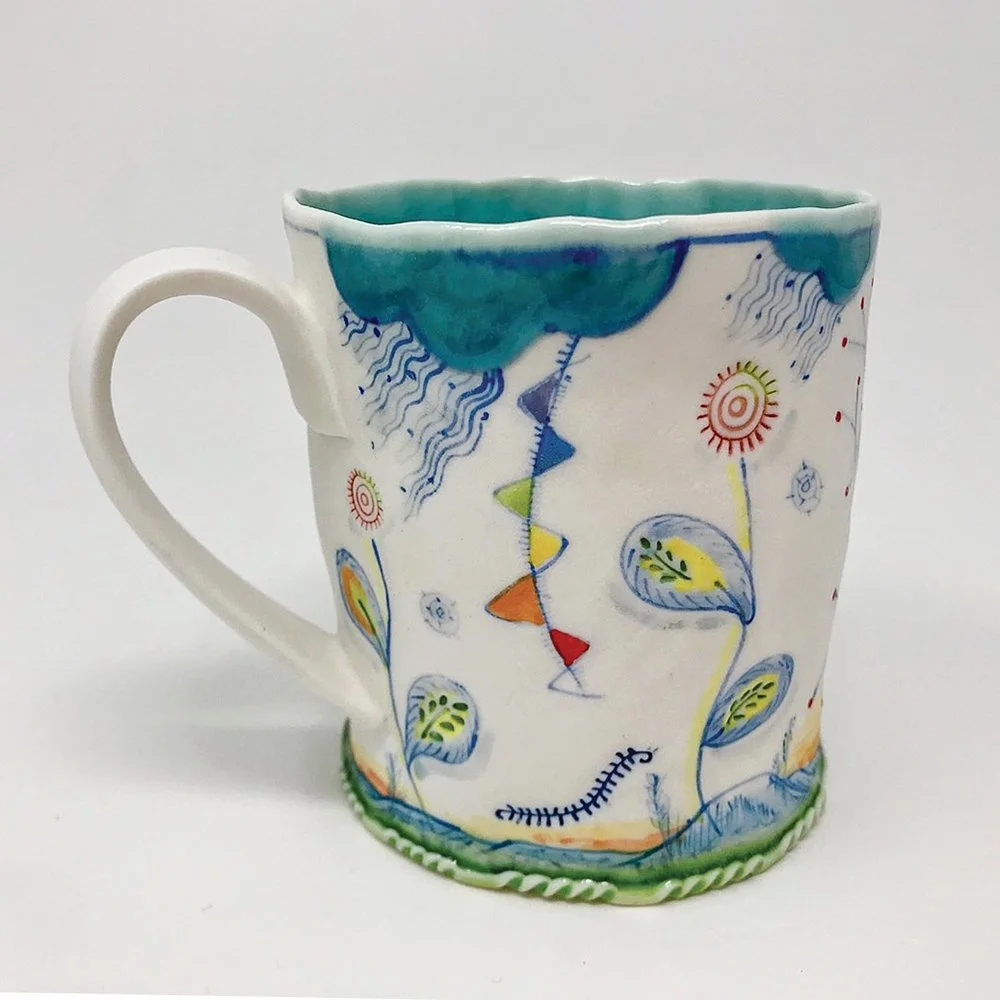
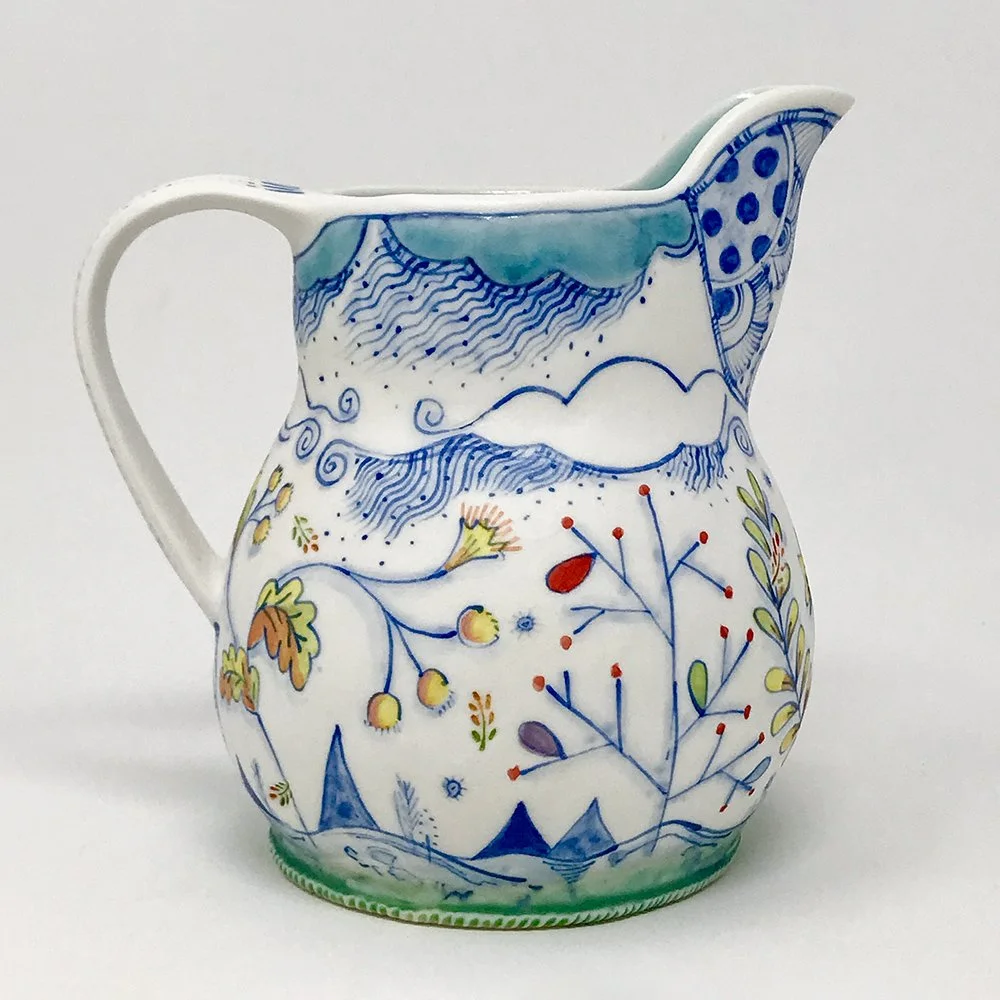
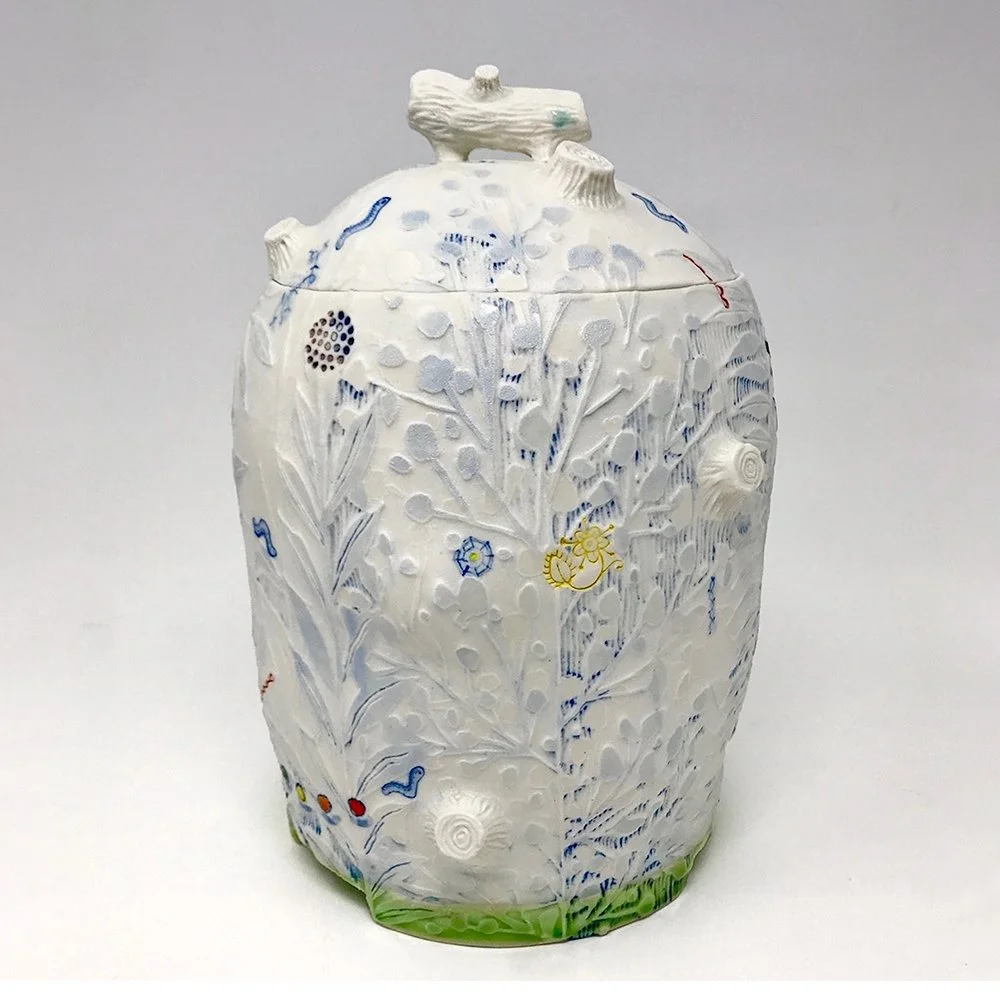
Many years ago, when I was initially searching for my own artistic voice as a ceramic artist, I recognized kindred spirits in ceramic traditions that found inspiration in their immediate environment. Forty years have passed since I first became aware of Cretan “octopus” pots decorated with the image of the Mediterranean octopus they were designed to catch on the sea floor, Peruvian fertility jugs sculpted in the form of copulating frogs, and Chinese Han Dynasty stacked-house pieces, which included figures leaning from windows spilling dirty water off upper balconies. I remember the time when I first realized what all of these folk pots had in common: The beauty found in everyday life inspired them.
Over the years, as my knowledge of clay traditions grew, I became inspired by naïve ceramics made during the 13th through the 17th centuries in Iran, Spain, Portugal, Italy, France and England. For example, the bumpy surface beneath the gold luster on my pieces hearkens back to the hammered metal dinnerware forms mimicked in 13th century Iranian earthenware. The blue and white painted decoration on my pots is reminiscent of Staffordshire painted ware made in late 18th century and early 19th century England. The copper green hatch work pattern that I use was first used by 8th century Spanish Moors.
After many years of looking outward to other traditions for artistic inspiration, I started responding directly to my own life and environment. Spending time each summer living in the green hills of Vermont and at the Jersey shore, has had a profound effect on my work. Seeking to seduce the user with the dynamic natural charm of clay, my work romanticized the creepy-crawly beauty of the great outdoors. Patterns of animal and reptile skins inspire my surface decoration decisions. The forms of these creatures give birth to my pottery forms. For example, toads found underneath rocks by my seven-year-old son inspire my butter dishes, while banana slugs surrounding our picnic blanket in the Redwood Forest of California inspire my serving dishes.
My goal in creating ceramic work is to bridge the divide between elegant china and down to earth pottery. I deliberately leave clay surfaces irregular so that they look handled and handlable. I want my pottery to invite use, while also subverting contemporary “run of the mill” preconceptions of what pottery is, can, and should be. As I seek to develop my own “garden of earthly delights” motif, I draw inspiration from the tradition of personal intimation in ceramic form and decoration that has been handed down, quite literally, through the ages.
www.lizquackenbushclay.com
Visit Liz’s webshop
Instagram: @lizquackenbush
Liz Pechacek, Inver Grove Heights, MN
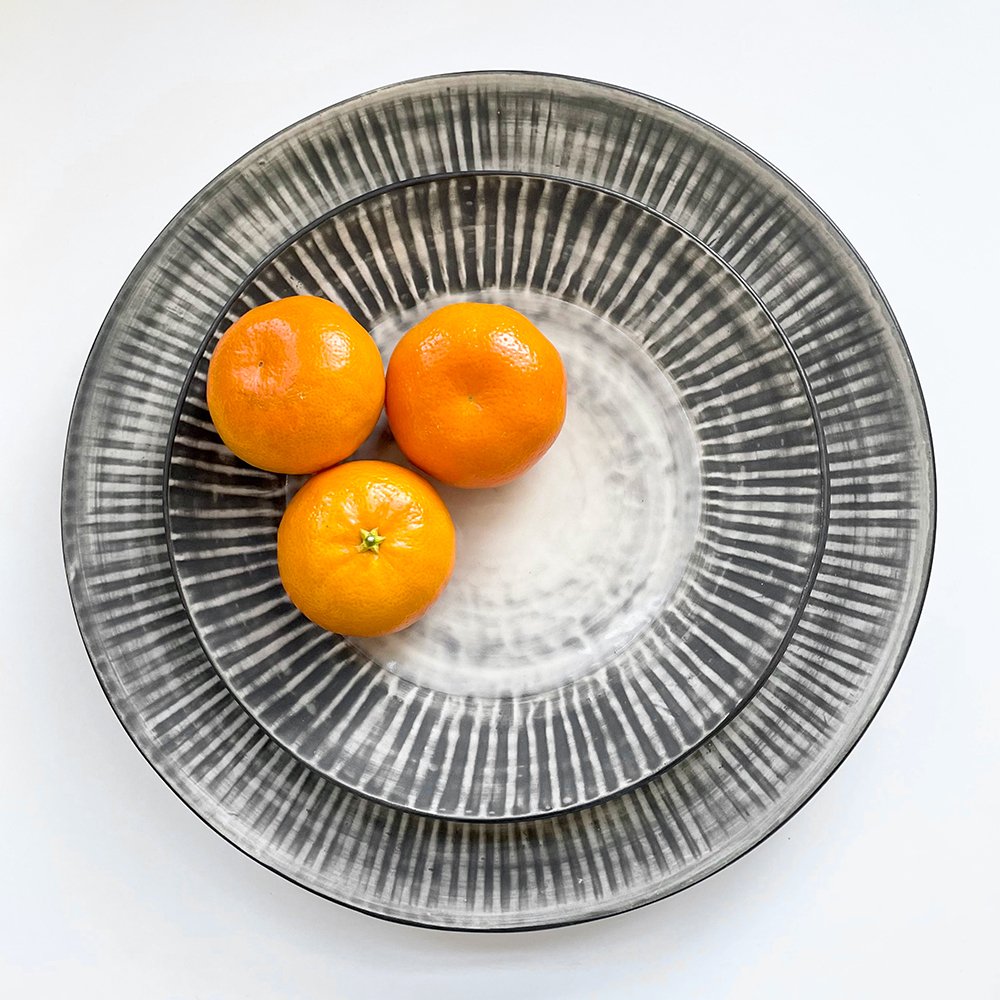
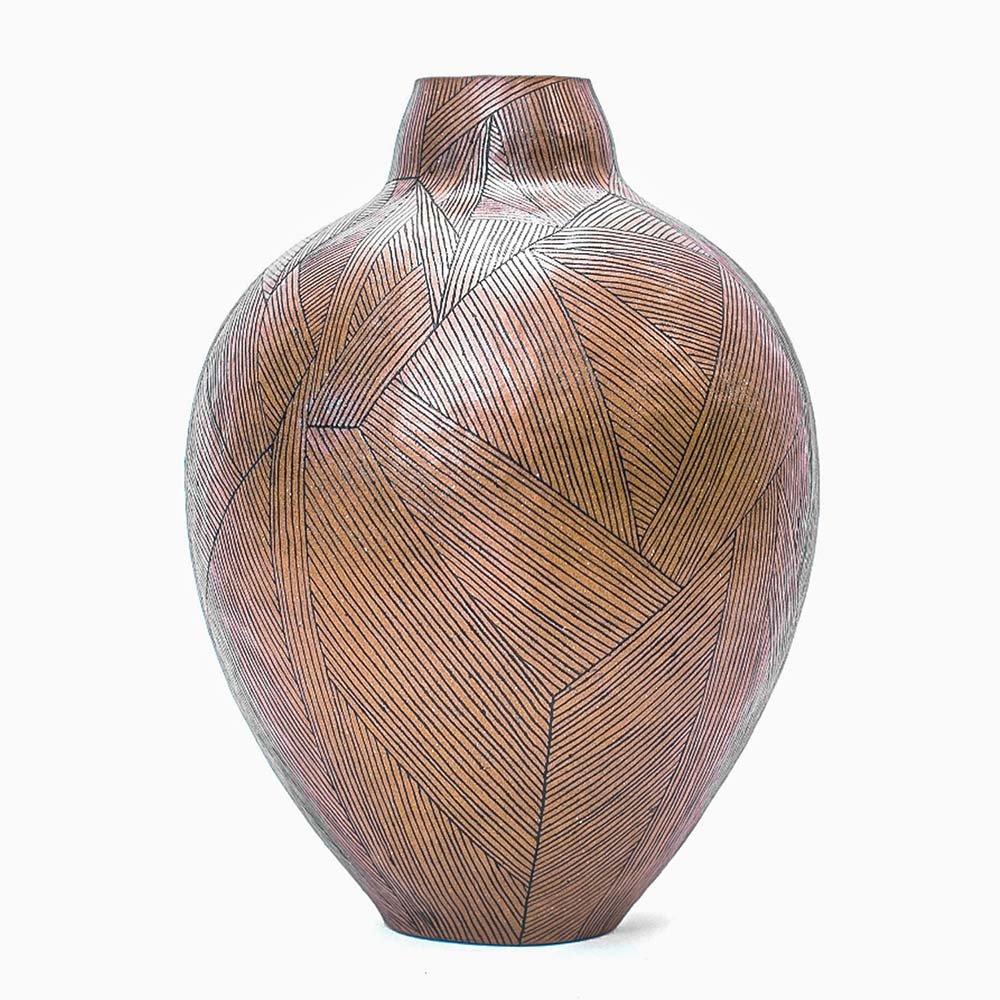
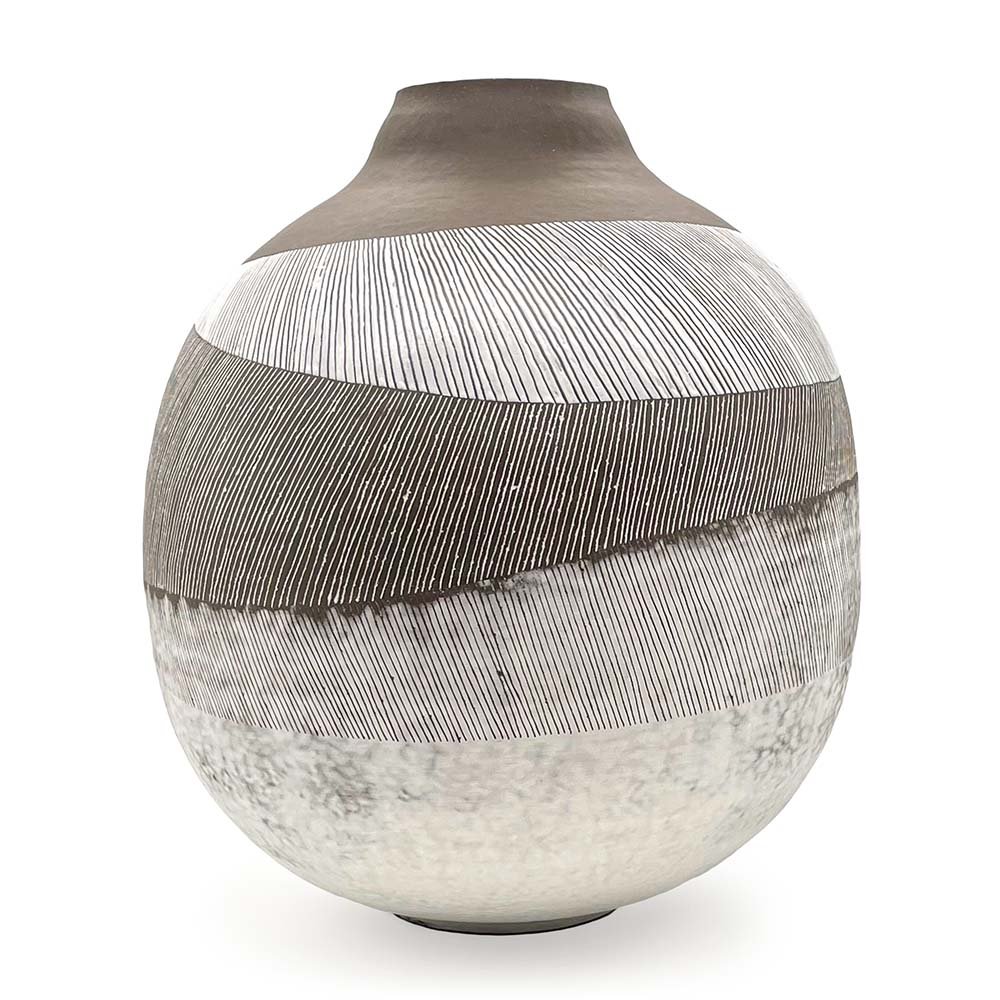
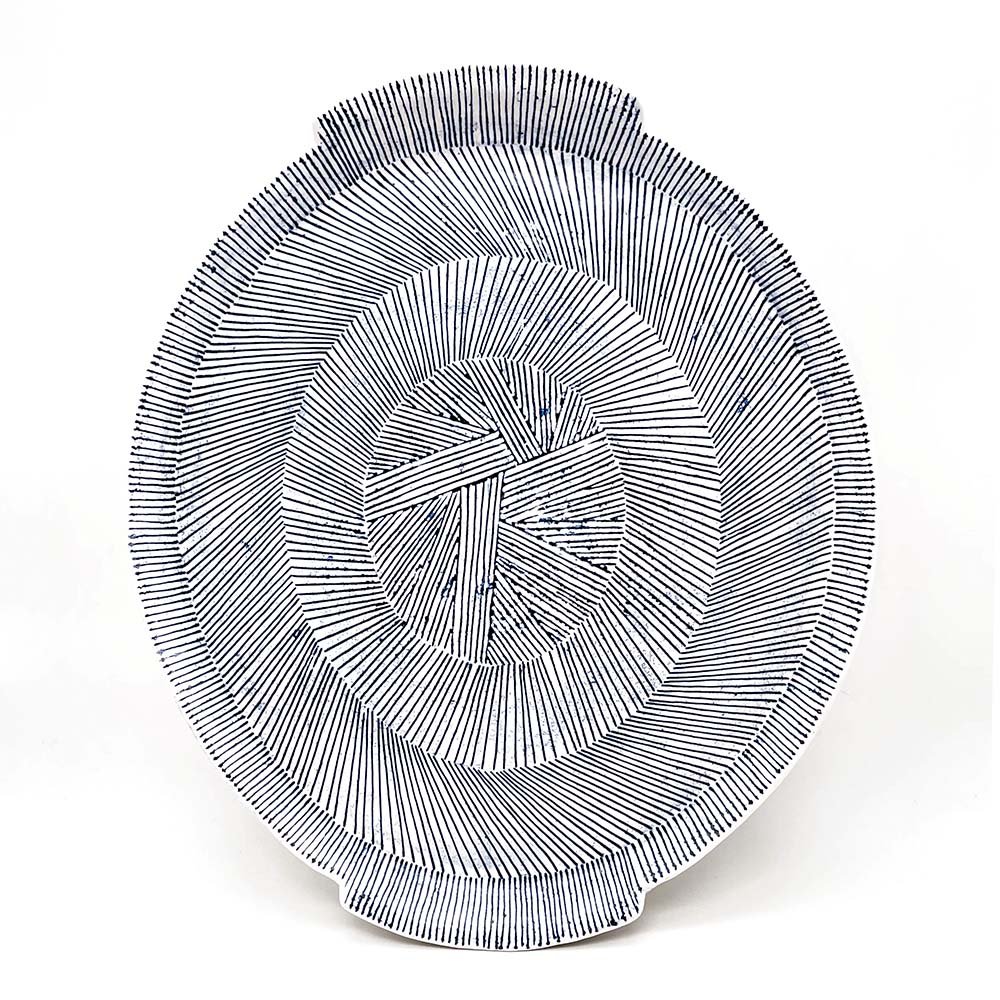
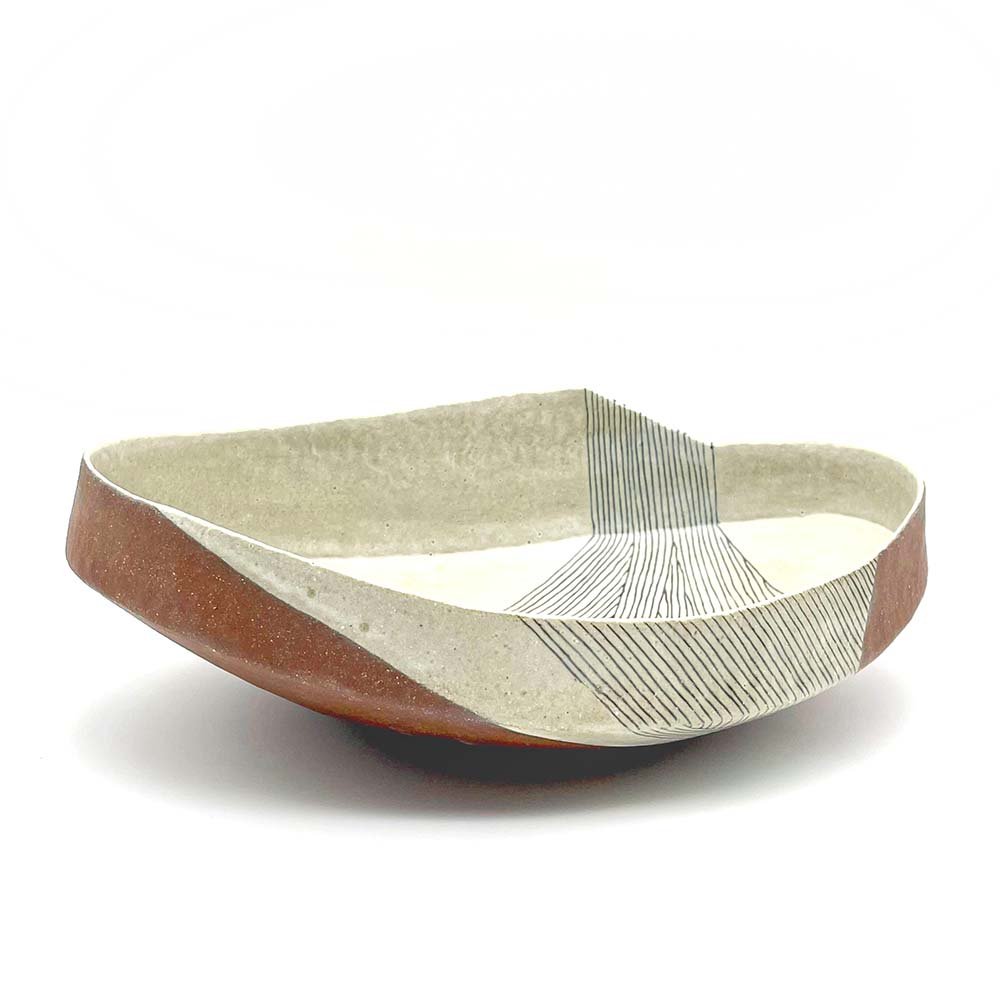
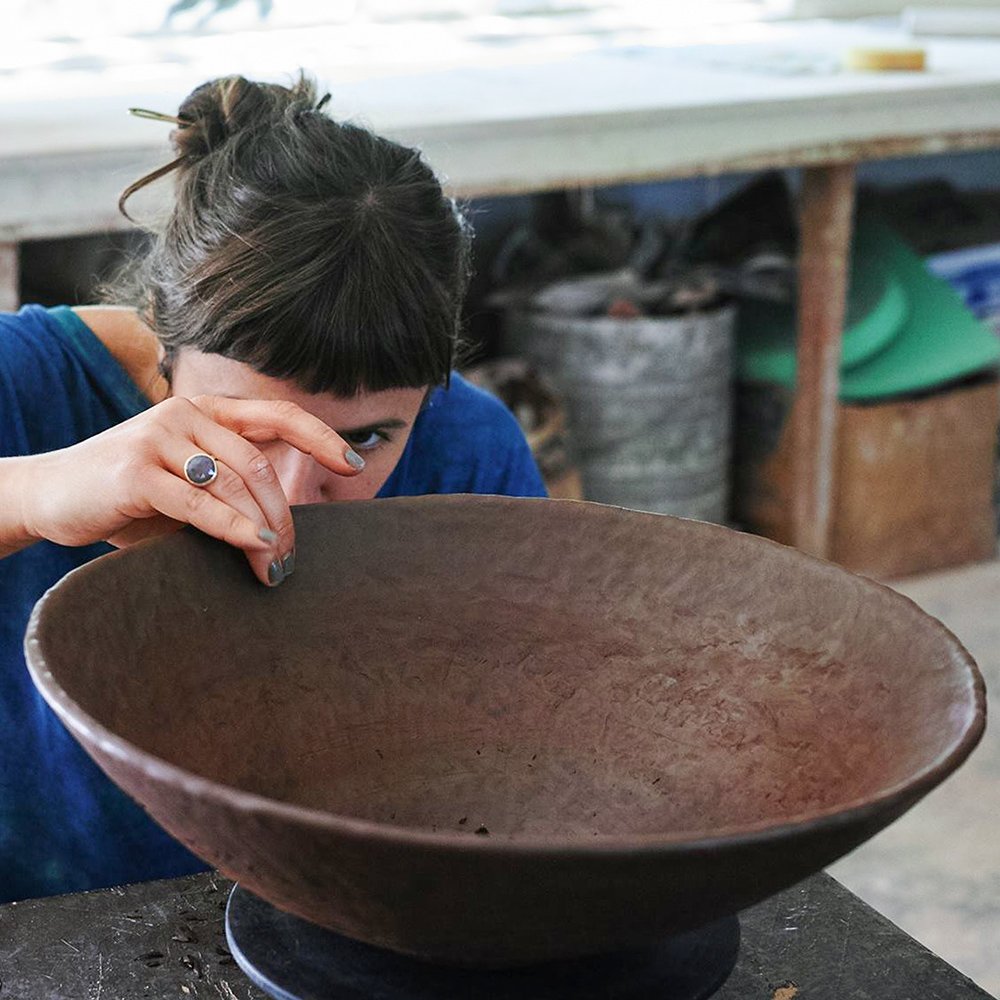
I am interested in a deliberate and methodical exploration of form using hand building techniques. I find the form by slowly adding coils and adjusting with a hammer as the profile emerges. Working intuitively, the objects tend to acquire a sensuous volume stippled by the frenetic energy of so many fingermarks. I like to use very rudimentary homemade tools, finding inspiration in slow, focused labor. Once the piece is dry, I apply washes of color, line, and dots in a playful re-examination of the form through the surface. I celebrate the beauty of the bare clay, and strategically use many different clay bodies as part of the design. I strive to make my pots, sculpture, and tiles exude a constrained energy-quiet from afar, but frenetic at closer examination.
www.lizpechacek.com
Visit Liz's webshop
Instagram: @Lizpechacek
Lilith Rockett, Portland, OR
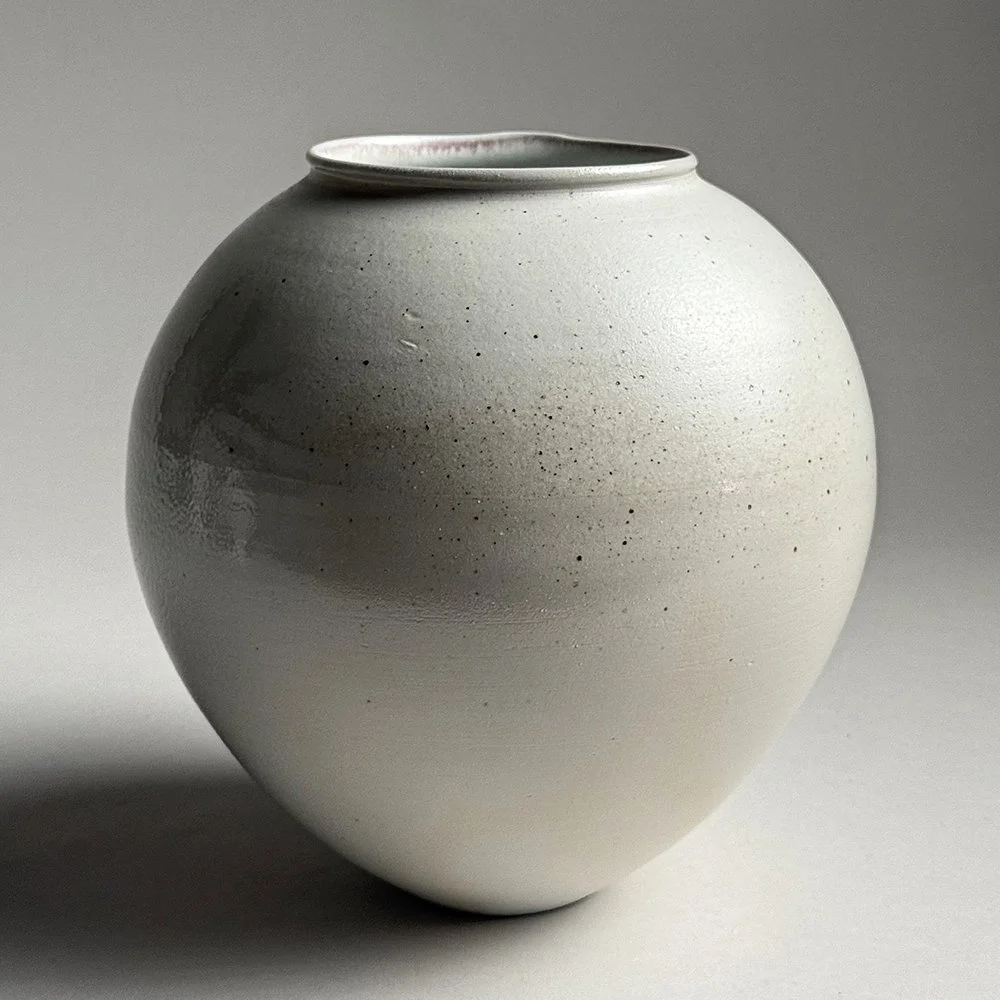
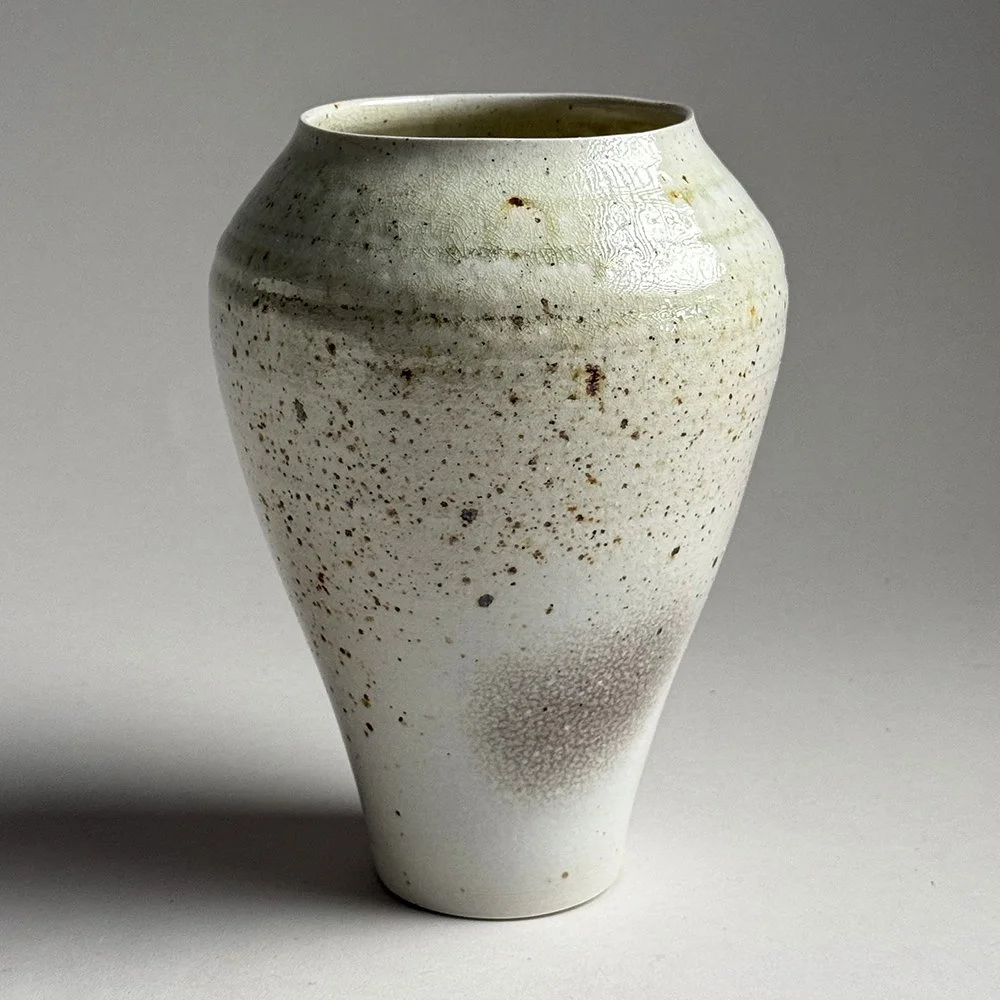
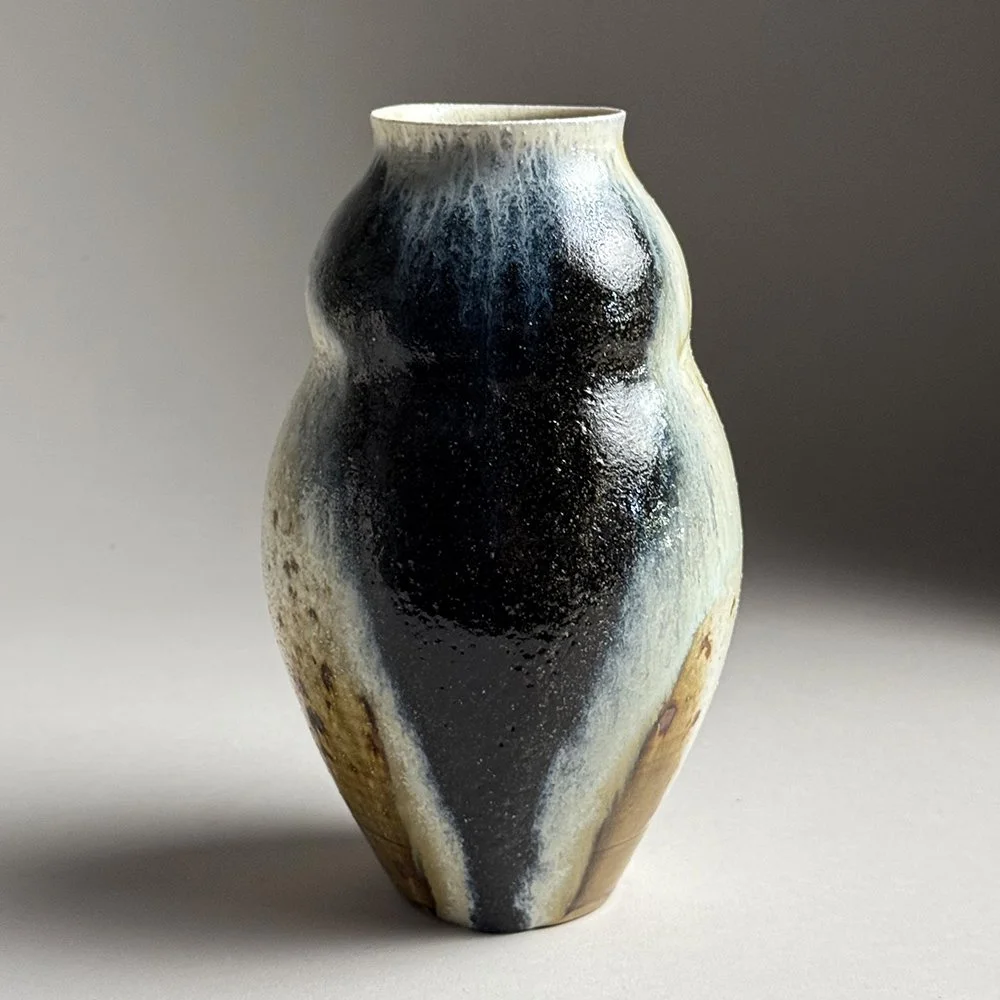
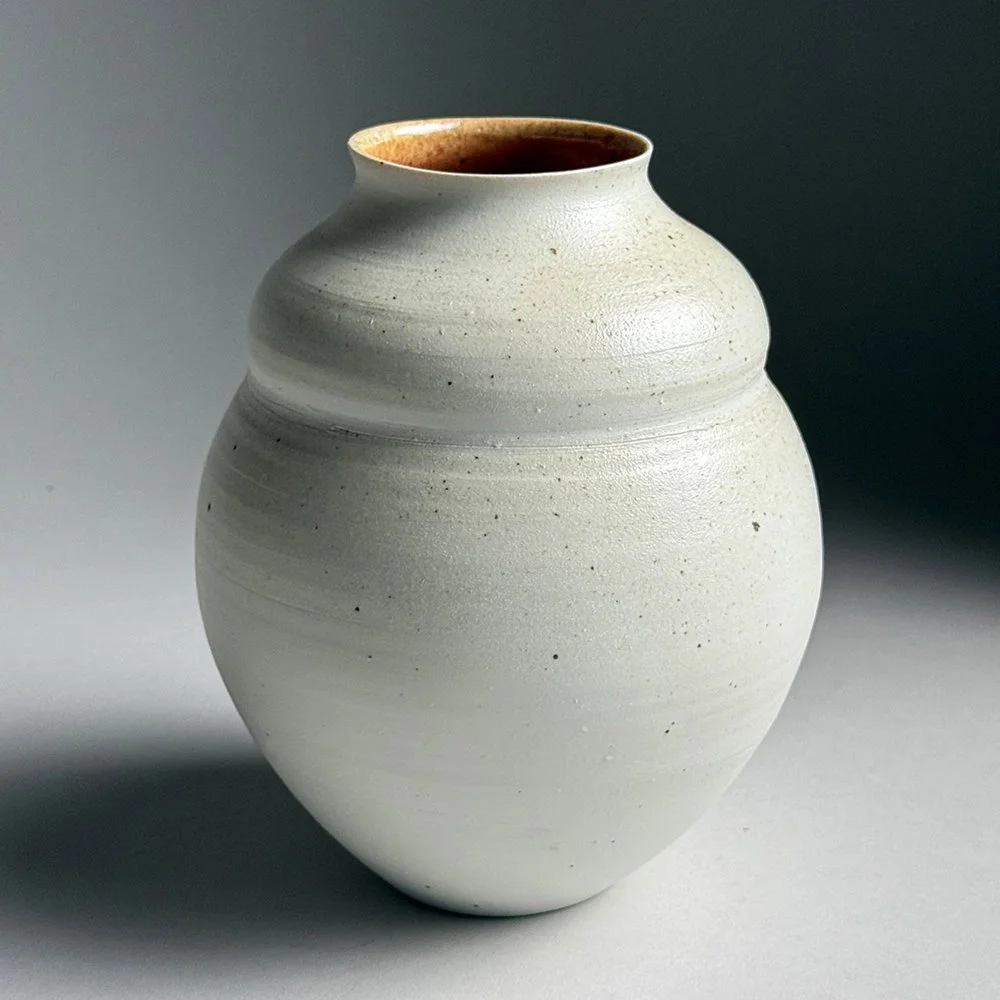
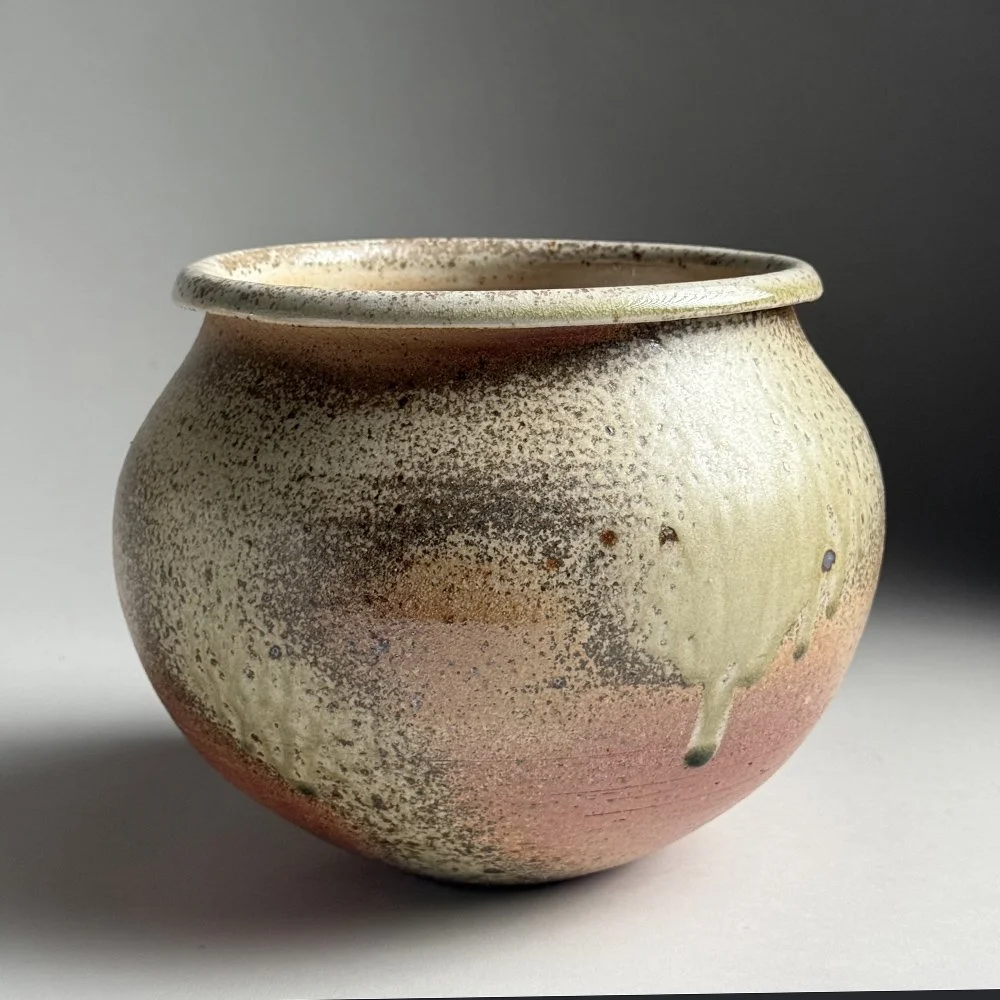
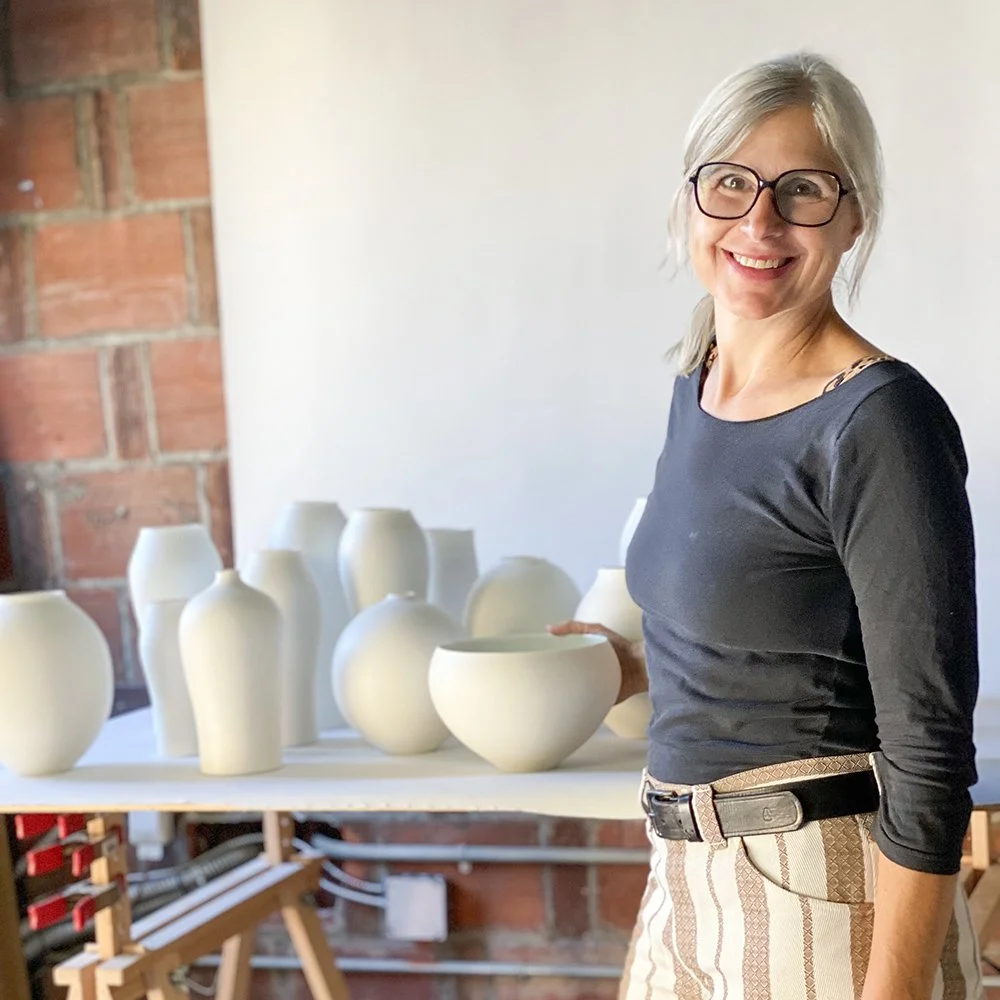
Working primarily in porcelain, I create tableware, teaware, and larger vessels that sit at the intersection of function and quiet observation. My forms are minimal, inviting attention to subtle details—the translucency and softness of porcelain, an undulating rim, the way light moves across a surface or through a grouping. In recent years, I’ve begun exploring atmospheric firings, particularly wood and wood-soda, which introduce elements of unpredictability and deepen the material dialogue. I also incorporate wild-foraged materials—ashes, clays, rocks—embedding a sense of place and geological time into the work. Through these processes, I aim to connect acts of making with broader earth cycles and sensory experience.
www.lilithrockett.com
Visit Lilith's webshop
Instagram: @lilithrockett
Vivamus pellentesque vitae neque at vestibulum. Donec efficitur mollis dui vel pharetra.